
Today is Young Carers Awareness Day 2019 and the purpose of the day is to raise public awareness of the challenges faced by young people because of their caring role, and to campaign for greater support for young carers and their needs. Young Carers often struggle with mental health problems of their own due to the strains they can find themselves under, hence the launch of their #CareForMeToo campaign.
I was recently invited to write a blog for Over The Wall about the impact of their camps on our family and I chose to particularly focus on the importance of the siblings camps for children like G, who is recognised as a Young Carer locally. I thought I’d take the opportunity to share my thoughts here too.
“…when one person in the family has a chronic illness, the whole family has it…”
Jamie-Lynn Sigler
When you live with chronic illness you know that it is about so much more than just the disease itself. Pain, exhaustion, medicines, appointments and hospital admissions are often accompanied by a loss of self-confidence, doubts about self-worth and mental health issues that need time, patience and understanding to come to terms with and overcome. As parents to a child with a rare illness that is little known and little understood, Mike and I have had to find a resilience and strength within ourselves to not only support M as he finds his way to understanding his condition and living his life to the fullest, but also to fight those battles that he is not yet ready to tackle himself.
For the last 8 years, since our appointment with M’s first gastro consultant, our focus has been on finding answers and researching ways to give him the best quality of life we can despite the challenges he faces. As he now heads into his teens, we are seeing the fruits of those endeavours as M begins to make his own choices about the foods he eats, knowing full well the reactions he may experience, and taking on more responsibility for his medicines.
You could say that we’re achieving what we set out to do when we got his diagnosis: to raise a young man who won’t let his illness define or constrain him and who believes that he can be successful no matter what; but we have not been alone in supporting M. Family, friends and our local community have walked every step of this journey with us, helping us in more ways than we could ever imagine was possible; but there is one person who has been there since the very beginning, without any choice and yet who loves M unconditionally and is an indisputable rock for him, even when they don’t always see eye to eye.
She is, without a shadow of a doubt, the unsung hero in our family story.
 Since the day her baby brother arrived prematurely in her world, G was determined to help out whenever she could. She put up with his incessant screams from what we now realise was undiagnosed pain and looked to comfort him however she could – making him laugh, giving cuddles, reading stories or just bringing him “Cat” when nothing else would do. Like so many siblings to children diagnosed with chronic illness, G has inevitably been side-lined when that illness has dominated family life and despite our determination to make sure she doesn’t miss out because of it, I know there are times when we haven’t got that balance right and given G the attention she deserves and needs.
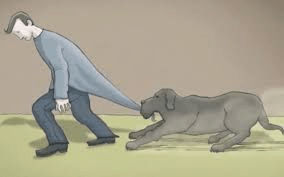
From the interruption of frequent hospital appointments to badly timed admissions over her birthday 2 years in a row, G has had to take the back seat to M’s illness more times than seems fair and these are not the only ways in which her life has been affected by his diagnosis. We cannot ignore the reality that having a chronically ill sibling has had a massive impact on G and her mental health too. Anxiety, panic attacks, facing fears and anger management issues are all inextricably tied up with the role of being a young person caring for another and it has been crucial we find a supportive environment for her that has taught strategies for dealing with her yo-yoing emotions and provided a safe and understanding outlet for them. Encouraging G’s involvement with our local Young Carers group as well as applying for a place at the Over The Wall Siblings camps have been important steps in recognising the impact that M’s health has had on her over the last 15 years and have helped her feel that we really do understand and appreciate all that she has had to put up with and sometimes give up too.
 That time away at OTW was a week for her to be herself, not defined or viewed in her role as M’s big sister and encouraged and allowed her to take time to focus on herself without worrying about him. G came home a different child to the one who had left us, having realised that her life experiences didn’t isolate her in those circumstances and she had found a sense of self-worth that she had been struggling to develop at home and at school. G’s second camp experience saw her develop a confidence and willingness to take on new challenges, knowing that, with a little bit of self-belief and perseverance, no mountain is too big for her to conquer. OTW brought G out from the shadow of M’s ill health, helped her rediscover who she is as an independent individual and gave her her childhood back – and for that I can’t thank them enough.
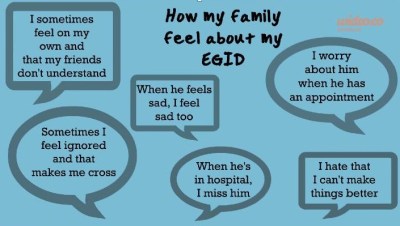 the others affected by the diagnosis are left to struggle on their own by the wayside.
 Just as our family is affected by M’s EGID diagnosis, so too is the community that surrounds him. I have mentioned so many times the amazing
 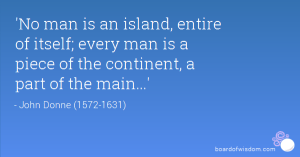 We do not live in splendid isolation and every action we take has a ripple effect that can stretch out further than we can ever imagine, especially as a child. We are extremely lucky to have a community that works with us to help both children have the childhood that they are entitled to enjoy, one that is all too often marred by the difficult reality of chronic illness. As G and M grow older, my hope is that the realisation slowly dawns that whilst everyone’s life is unique, there are moments that teach us all lessons that can help us reach out to and empathise with others. Going to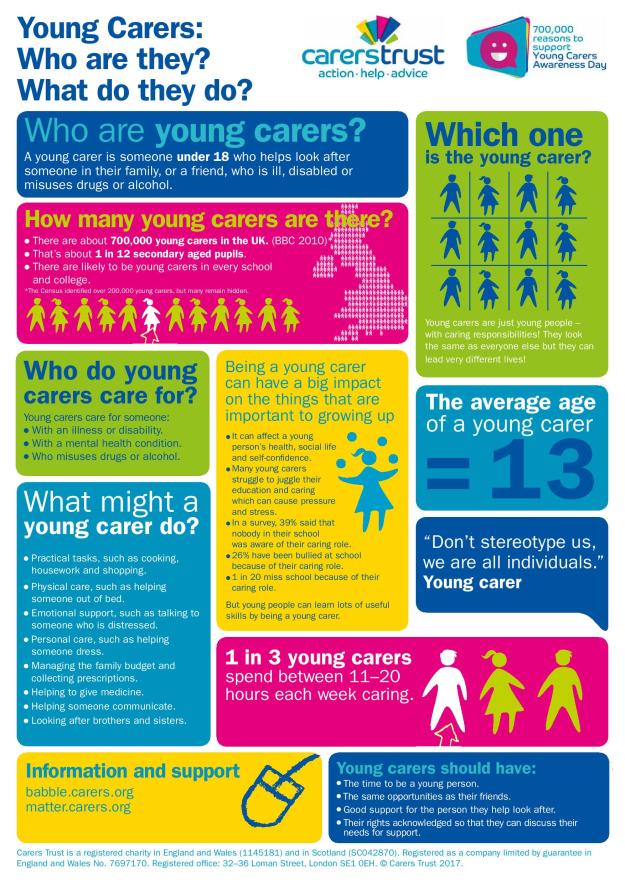
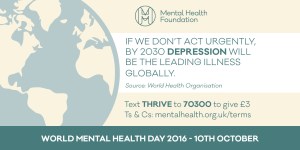
 , when what they really mean is that such events have saddened or upset them rather than the total immobilisation that comes when you struggle with depression on a daily basis. I am not devaluing the emotions they may be experiencing when those things happen, but are they really akin to the overwhelming nature of depression? I think not.
 I did eventually come to terms with my diagnosis, though sadly my determination to get my T1D control back on an even keel brought with it an unexpected complication with my eyes, which in turn has led to even more serious implications than I could ever have imagined when I was 13 and feeling very much on my own in a battle against the rest of the outside world.
 That strong support network of family and friends who are constantly surrounding me is invaluable and the knowledge of what is really important – M and G – keeps me getting out from under the duvet every morning and making my way through each day.
 is that he doesn’t feel ashamed or embarrassed by the times when he’s not able to cope emotionally, or mentally, or even physically with the pressures that his diagnoses will have on his life, and that he learns to openly acknowledge them; and that he realises that he’s not on his own in that regard.
 Do you remember that long,


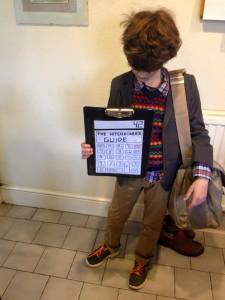
 I’m sure that there will be things I’ve already forgotten and likewise, there’s no doubt that there will be more items added to my list as March passes by. Needless to say, I will be blogging about many of these occasions and just how I overcome the challenges of taking my M-friendly cooking and baking a step further than I ever imagined possible. Once all of these things are out of the way, it’ll be time for a well-deserved drink and, in case you’re wondering, mine’s a large gin!
 When you are tube-fed, I think it’s only natural to expect the support of your nearest and dearest, especially in the case of the tube-fed child. In a recent interview about her MS diagnosis, actress
  Young Carers groups try to meet on a regular basis to give the youngsters a much-needed break from the day-to-day, the opportunity to meet other young carers who will truly understand the pressures and strains they are under and the chance to have fun and be a child. Depending on the location, and sadly on the funding available, these organisations may offer evening clubs, weekends away, days out and even holidays as well as friendly advice, information and counselling to both the young carer and their family. In our area, there is also a school worker who runs lunchtime clubs at some of the local secondary schools, hold awareness assemblies and will act as an advocate for the child if needed.
 She and a close friend in a not-too-dissimilar position have since met with this teacher a couple of times and have been given more information about our local young carers group as well as a list of useful contact names and numbers.
 7 years to diagnosis