Tag Archives: Chronic Illness

What’s in a word

I’ve long been aware that when it comes to understanding M, it really pays to understand how he interprets and sees the world. As for so many who live with chronic illness, M’s life is coloured by his EGID and multiple food allergies, and his view of “normal” is understandably skewed by his daily experiences. Courtesy of katbiggie.comThe sad reality is that M has been living with the symptoms of EC for so long that he doesn’t always realise when something he’s feeling isn’t usual and we have often discovered a symptom months, or even years after it first started to happen. These problems are frequently something we could have helped resolve sooner and it is never clear just how long M has been coping with it on his own.

My first experience of this was when M had his second set of scopes done 2 years ago. The nurse had started him on Klean-prep via a NG-tube and told M to tell her if he started to have reflux whilst it was pumping into him. Reflux was something we hadn’t struggled with since he was a baby and so he didn’t know what she meant. My explanation that he might feel nauseous or have some sickness come up into his mouth was met by a puzzled look, “…but Mummy, I get sick in my mouth all the time, why do I need to tell her if that happens?” He was genuinely perplexed by this request and I was made suddenly aware that there was an awful lot more going on with him than we really knew about.

Strangely, during our latest GOSH admission, that issue with reflux once again raised its ugly head and yet again, M more or less accepted it as being back in his life without complaint. When we first learned about the reflux, we worked hard to uncover when it was happening most and started him on a daily medicine to help treat the symptoms. We quickly found that it appeared to be triggered when he ate potatoes and raisins and by cutting those from his diet as well as the new medication, the reflux fortunately seemed to ease. The day after we started the potato food challenge in hospital, M complained that he was struggling with some reflux and explained in extremely graphic details to nurses, dietician and registrar what he felt. Whilst they made note of this problem, disappointingly they didn’t do anything to ease the discomfort he was in and delivered that line of “…he just needs to push through this…” that I quickly came to hate. Their dismissive attitude shown so clearly in front of M and obviously picked up on by him despite the illusion of him being absorbed by the TV whilst plugged into his headphones, meant that he stopped mentioning it and the medics assumed that it was a one-off event only.

It wasn’t until they needed to start adding senna to the klean-prep to clear his system that we learned that M had not been 100% open about what was going on. The conversation had turned to whether he would willingly take the senna by mouth or if it was best pushed down his tube, when M casually commented that it didn’t really matter as he would end up tasting it either way. A little gentle prodding by his nurse soon revealed that the reflux had in fact been ongoing since the food challenges began and during that middle week of our stay, he had been experiencing the vile taste of the bowel prep in his mouth on a very regular basis.

This story for me explains why it is so important for the medical teams to understand that every child is an individual and have very different levels of what they can accept and cope with, particularly when it comes to gastro conditions. In M’s case, this means that knowing how to phrase questions and interpret his answers is key to learning more about how he feels, especially when it comes to his coping strategies. For a number of years, Mike and I have repeatedly told our consultant that we firmly believe M lives with a level of pain that he has come to accept as his “normal”. When you see M running around with his friends or experience the whirlwind force of his personality, this can be difficult to believe and the fact that, between my reluctance to allow either child to stay home from school unless they’re dying and M’s determination to be in the midst of everything as much as possible, he has remarkably good school attendance for a child with a chronic illness, is in stark contrast to the picture we’ve tried to paint.

It’s at times like these that the words used with M, and by M, can reveal the most. At one of the many meetings I had with his consultant during our admission, she and I had talked about what the future holds for M. She told me that we might just have to accept that he would need to live with a level of pain that others might consider unacceptable, so that he has a more varied diet to choose from and my words that he already lived with enough pain seemed to fall on deaf ears. It was only when M met with the lovely GOSH gastro psychologist half-way through our stay that he was finally able to talk about how he feels each and every day. Whats-in-a-wordShe quickly established that M differentiates between a “pain” and an “ache”, which meant that unless he was asked the right question, M would proffer surprising answers.

Of course, the truth of the matter is, as we have repeatedly said, M has an almost constant ache in his tummy and bowels that he has just accepted as part of his reality. He doesn’t call that “pain” and, perhaps because of my unwillingness to unnecessarily dope him up on Calpol at the drop of hat, he doesn’t expect to have anything more than a hot water bottle or wheat bag to treat that discomfort. M calls that an “ache” and when asked to rate how that feels, he cheerily announced it was usually around a 4, the level where they would start to offer pain relief on ward. So when he was asked by the nursing team if he was suffering any “pain”, his answer was almost always a no except when he was experiencing a severe tummy cramp – his definition of what a “pain” was. The nurses had been struggling to understand how he could be rating his pain at an 8 or 9 at one point, only to say less than 5 minutes later that he had no pain at all before they’d even had time to give him any pain relief. This insight into the workings of M’s mind was invaluable as it meant that finally we all – doctors, parents and M himself – were singing from the same hymn sheet and receiving accurate feedback from M about how he was feeling; and all because we now understood the power in a word.

But that wasn’t part of the plan

Without doubt, December whirled past in something of a blur. As I’ve already posted, we had been waiting for an admission to GOSH since last July and naturally it came when we were least expecting it. This admission had been planned by M’s dedicated dietician, who was hugely concerned by the continuing lack of progress we were making when it came to successfully reintroducing food back into his diet and she was keen to challenge him within the hospital setting so that they could see exactly what we were experiencing at home. Our initial discussions all those months ago were in terms of weeks: a lengthy admission, perhaps up to 6 weeks, to fully understand how M’s bowel and bplanody respond when food is eaten; a daunting prospect when you have another child to love and nurture at home as well as a job to hold down.

Move forward 3 months and we reached our October outpatients appointment with no admission in sight and, due to the lack of long-term gastro beds at GOSH, no clear indication of when that elusive bed might eventually become available. Cue the recommendation of a radical rethink and a change of plan to a one week admission, followed by a series of further 1-week stays, scattered here and there throughout the year as and when there was a bed. The gastro team, keen to get him in before Christmas, felt this was our best chance of getting a bed any time soon and so we rolled with the punches and agreed to this amended plan, still not quite clear as to when the admission would actually happen. Over the following weeks, I spent valuable time fine-tuning the details with M’s dietician, agreeing what foods we would choose for challenges during our stay and discussing what the medical team were hoping to achieve through this process. The hardest part remained the lack of a long-term plan. The truth is that M’s continued problems with so many of the foods we’ve tried to introduce is baffling his doctors and until this admission was under our belt, they just didn’t know in which direction we’d be heading next.

By the time M was admitted on December 3rd, the plan had been tweaked again and unsurprisingly would continue to be so during the length of our stay. That one week admission suddenly became a 2-week stay and the 2 foods we had agreed to trial: potato and sweet potato, suddenly became 4: potato, egg, banana and salmon. I had already expressed some concerns about the plan to challenge him with 2 foods in a week and the increase to 4 over a 10-day period was now ringing some serious alarm bells in my head. Mike and I knew full well that the chances were that I would be bringing home a less-than-stable M just in time for Christmas and were resigned to rolling our sleeves up and spending the holidaysSmall-Changes working hard to bring him back to a healthy position ready for the new school term. We weren’t happy about this situation, but felt there was really no alternative; we had to give their plan a try in order to find some answers.
Despite those misgivings, the ones I had fully voiced to everyone and anyone who would listen from the minute I first met with M’s consultant and dietician when we arrived at GOSH and that I continued to express through every step of the following 10 harrowing days, we set off on this plan with the hope that we would find another safe food for him and perhaps even start to understand what has been troubling his gut for so many years.

What wasn’t part of the plan was the continued reluctance of the medical teams in hospital to listen when I told them M was beginning to show signs that all was not well with the food challenges and that he was reacting to the foods;

the plan didn’t anticipate the reality of M’s bowel being so unable to cope that it refused to work properly by the time we were 10 days into the 2-week admission;

and it definitely didn’t include 10 litres of Klean-prep (the worst bowel prep known to man) being continuously pumped into his tiny body over a 6-day period in an attempt to clear the resulting chronic impaction.

Nowhere in the master plan had I seen fair warning that, by day 14, I would be rendered utterly helpless and only able to sit, holding his hand and massaging his aching limbs, as M was left bent double from the cramps that were consistently hitting an 11 on the pain scale, where 10 was classed as the worst pain imaginable.

dancing-in-rain

Somehow we limped through endless hours of pain and frustration and dashed hopes, and we survived. Somehow we talked and ranted and sobbed and challenged until finally the medics acknowledged that things had gone horribly wrong, and we survived. Somehow we managed to stand strong and stay strong and stand our ground and refused to compromise on what we knew was in M’s best interest, and we survived. Somehow we rode out the fiercest storms and learned to dance in the rain, and we survived. Somehow we found enough humour in each day to keep the smiles on our faces and to laugh the smallest of giggles, and we survived. Somehow we got through the unexpected and started to find our way back to our normality, and we survived.

But that wasn’t part of the plan.

A Girl’s Best Friend

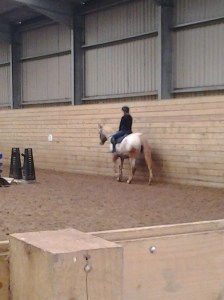
For as long as I can remember – and trust me, my long-term memory is legendary in our household – G has been passionate about learning to ride. Both she and M did a brief stint at a nearby riding stable when she was about 5, but school, hospital appointments and other hobbies soon absorbed a lot of our time and riding somehow fell by the wayside. G frequently talks of her plans to own horses when she’s older and 20151018_131727has declared on more than one occasion that she has no plans to learn to drive when she reaches 17, but will instead ride her horse wherever she needs to go. Over the last 18 months or so, she started asking about the possibility of riding lessons again and it was then that my Mum came up with the idea of rewarding all her hard work for her SATs with a short course of lessons.

It took careful planning, the odd bit of rearranging and some tentative pencilling-in, but finally everything was sorted and G started her lessons. Her first lesson was a group one, but it quickly became obvious that she would learn more and progress quicker with some more focussed teaching and so we switched to a 30-minute individual lesson every other weekend. To say she is delighted to be fulfilling this long-held dream is an understatement and she has taken to it like the proverbial duck to water. With just 3 lessons under her belt, she is already cantering around the indoor arena 20151018_133210with confidence and impressed not just her riding instructor, but me too, with her sense of balance and ability to trot round with her hands and arms in every position imaginable except where you’d expect them to be.
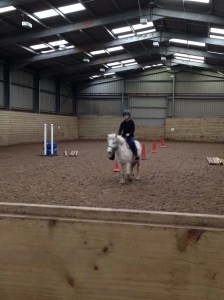

Needless to say, horse-riding has become her favourite pastime and we have been inundated with requests for lessons as a gift from anyone and everyone prepared to contribute for both her birthday and Christmas. It has been fantastic to see her enthusiasm grow and the wait between lessons proves almost unbearable for her at times. What is even better is that this is something just for G, there is no irritating little brother to steal her thunder, although he has come along to watch her ride once or twice. The consequences of having a brother with a chronic illness mean that all-too-often G has been relegated to the sidelines as we’ve worried about M’s health or agonised over decisions regarding his treatment and diet; but in horse-riding, the focus is all on her: her teachers know nothing about M and his health and those 30 minutes are spent doing something she really, really loves. The lessons have also become an opportunity for G and me to spend some much-needed and precious time together, to chat about school, friends and life in general without the constant demands of M dragging my attention away from her; something I think we both have come to value.

IMG_0053

More than a smile

It all started with a simple compliment that was probably given without too much thought, almost a throw-away comment, but the words, planned or not, had a profound effect months ago and still do. I had walked M and G to school after a particularly difficult night with M,  following on from a couple of really tough days and I was tired and emotional as I left the school grounds. Passing their Head at the gates, I gave a small smile, a nod of my head and a quick reply to his question about how M was feeling. His next words stopped me in my tracks and even now continue to resonate in my memory, especially when things are feeling a little more challenging or tiring than normal:

“I just wanted to say that I admire your constant smile and upbeat attitude about everything. Your positivity is reflected in the way both children deal with whatever’s thrown at them in the classroom and in life.”

My garbled response was a variation of my stock answer:

“What else can I do, but smile? If I didn’t I might end up crying, but that won’t help M or G or me; and it won’t change the way things are…” (I shrugged) “…besides, if I don’t smile and get on with things, who else will? That’s my job as Mum.”

That might be true. but I know a lot of people who wouldn’t be able to smile about it. They’d feel hard done by and resentful of the hand they’ve been dealt, their response would be focussed on complaining – that simply isn’t you or the children.”

I don’t know if the exhaustion of a failed food trial and a bad night’s sleep had made me more sensitive to the world around me, but his words had an impact that I felt resonating deep in my soul and gave a lightness to my step that certainly hadn’t been there 10 minutes earlier. All the way home, with unexpected tears in my eyes, 11987081_10153905230214523_3086822525667980358_nI pondered what he had said to me. After all, am I really that unusual in my response? I don’t feel particularly unique in my attitude and, believe me, I can certainly have a moan with the best of them. I suddenly had reason to reflect on how I present our situation to the outside world and why I smile, even at the most difficult of times.

I smile because, despite everything – the difficult pregnancy, the premature birth, the EGID diagnosis and the decision to tube-feed – I have a lot to celebrate. I have 2 amazing, beautiful, cheeky, intelligent children, my children with super powers, who astound me regularly with their unexpected insights into the world and make me smile. Whilst I might not be able to say truthfully that they are both “happy and healthy”, the wish of every new parent as they await the arrival of their latest addition, they are growing into young people I am proud to say are mine and fascinating individuals in their own right. They might have their struggles to manage, but they are here with me and every day with them is one more opportunity to cuddle, to kiss and to share their lives. As a family we have a lot of fun and there’s always a reason to have a giggle, laugh out loud and just smile together, even at the darkest moments.

Of course the truth is that, in many ways, my smile is also much, much more than a reflection of the joy I feel when spending time with my nearest and dearest. It is also my most effective disguise. If you look hard enough, there will be times when you might notice that the smile doesn’t quite reach my eyes or that my smile is perhaps a little bittersweet. Those are the days when it’s been hard to fight the urge to crawl back under the covers and pull the duvet over my head. The days when getting up, getting dressed and just being is a massive success.12049331_865332913546071_5149015929277272601_n The days when it’s been hard work to put one foot in front of the other and not just get started, but keep going too.

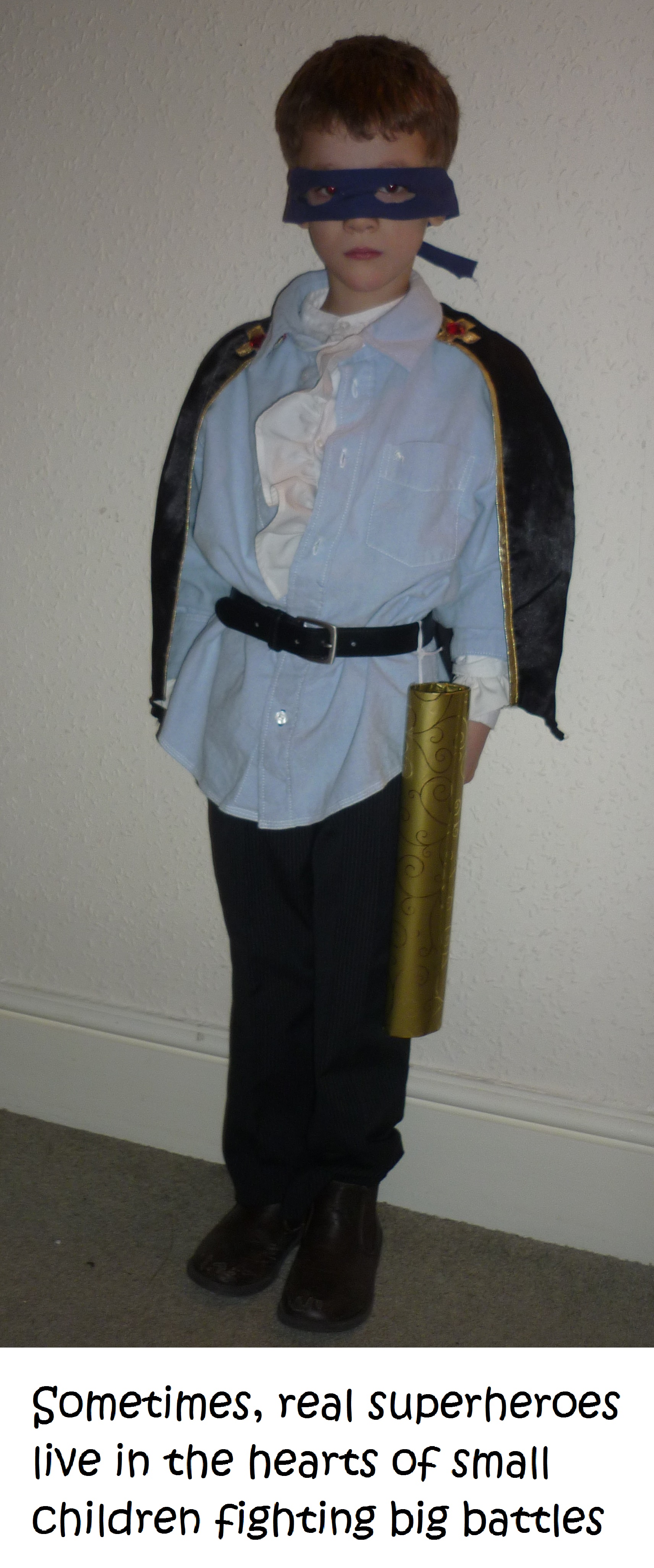
And I’m not alone. Out there in the real world are a huge number of parents who are facing the same struggles, fighting similar battles and often surviving a reality that is far harder than the one we face each day. I have been privileged to meet and get to know some of these superhero parents through our shared experiences and I see that same positive and undeniably brave approach to life reflected in each and every one of them. They are often the parents who just a tiny bit more weary at the school gates, a little more contemplative at the end of each day and a lot more determined to make the most of every moment they have because they know just how precious those minutes are. They will be the ones who will shrug off your questions about their well-being and turn the focus firmly back to you and yours. Not because they don’t want to answer, but because they know that if their emotional floodgates are opened, it will cause a tidal wave that will engulf them and make keeping their heads above water just a smidgen harder to do. And they will be the parents that tell you they don’t consider themselves particularly special or outstanding or unique because this is their life, they know they can’t change it or their children and nor would they want to. M might end up being the cause of many more grey hairs than I’m ever going to admit to, but I wouldn’t have him any other way; he wouldn’t be him any other way; and those parents’ love for their children transcends the unexpected difficulties they’ve been presented with.

I want to finish with a beautiful thought that a friend shared on FB when we were reflecting on this thought-provoking blog post and our own life experiences as special needs parents:

“That’s the thing…we weren’t given these special children because we are special, they make us that way with how amazing they are.”

superhero

An unexpected day off!

As a parent of a child with a chronic illness, one of the unexpected challenges you have to cope with is finding people you trust to take on their care, even for a short while.  It can be difficult to entrust your child and their needs to anyone other than immediate family and, for Mums in particular I suspect, that may mean you end up doing almost all of their care by yourself.  The opportunities to have that much-talked about and desired “me-time” are often few and far between and, to be frank, if you do manage to grab some, it’s usually at the cost of not spending it with your significant other at a point when time together is most needed.  shipsIn the 6 months since M had his tube, Mike and I have become like those proverbial “ships that pass in the night” as we juggle work commitments, school timetables, extra-curricular activities and those few social events that have helped keep us sane.  Any time we have managed to spend together has revolved around appointments or meetings about M and the constraints of school hours.

We are extremely blessed that we do have an amazing support network surrounding us, which pulls together to ensure that we are able to keep going to work and can even occasionally both be out on the same evening, albeit often at separate events.  helpMy days are made easier by the fact that M’s school have so willingly shared my burden and responsibility by ensuring there are members of staff who know how to take care of his feeding pump and tube, meaning that I don’t have to be there every minute of every day.  Without a doubt, their decision was made easier by the fact that I work less than 5 minutes away and they know they can call whenever they need to, but those phone-calls have been few and far between.  My Mum lives close enough that she has been able to continue the routine of picking G and M up from school a couple of times a week, allowing me to work my hours and has been willing to provide some invaluable school holiday care for us too.  We even have a babysitter who was willing to learn about the tube and whose GP parents, less than 5 minutes away, were an added bonus for the couple of hours we’ve needed once or twice.

Last week, we had an amazing offer from good friends – in fact, those GP parents I’ve just mentioned – which astounded us and gave us a break from routine that we haven’t enjoyed since last December.  It all started at the beginning of half-term, when an unexpected text arrived on my phone as I was in the middle of convincing M to help me clear out and clean the pit he calls his bedroom:

Hi, we wondered if we could look after the kids for you on Bank Holiday Monday so that you can have a bit of time for yourselves.  Let us know what you think. O x”

Then there was a flurry of messages between us as I sat on M’s floor, overwhelmed and close to tears at the kindness of these friends.  Not only were they offering to take G and M for a couple of hours, as I originally thought, but in fact wanted to look after them for the whole day and take them to a local wildlife park that I knew my 2 would love.  They sorted out food, were not phased by the pump and tube and even claimed to be excited at the prospect of having G and M as their guests for the day.  What was even better was that the children were as thrilled as their hosts at having a day out too; and what a day they had!  For the rest of the week, it’s been endless tales of marble-run competitions, playing in the hay barn, seeing the animals and the zip-wire in their back garden.

timeoffAs for Mike and me, well, we had our day together and enjoyed every moment.  It may not have been the adrenalin-filled adventure experienced by our children, but we had time to buy some much-needed bits and pieces for the house, enjoy coffee and cake mid-shopping trip and lingered over a late lunch not constrained by complex food allergies and a restaurant of our choice.  We didn’t get to the cinema as we had originally hoped we might, but thanks to my Mum, we got our night out at the theatre the following weekend instead – I know, two dates in one week, unheard of!  Most importantly, we were able to spend precious time with each other without worrying what G and M were up to and without waiting anxiously for my phone to ring.

“Muuummm, what’s for tea tonight?”

1186944_650637321674312_1447413190_n

Oh how this resonates..

If your family is anything like mine, that question usually comes just as you’re struggling through the door: with house keys in one hand, car key gripped firmly between your teeth, handbag on one arm, cello on your back, mobile phone pressed to your ear as you attempt to talk to the dietitian/consultant/other healthcare provider, who’s asking if now is a good time to talk and you can’t say no as you’ve been trying to contact them urgently for at least the last 3 days and who knows when they might call again; plus the school bag(s)/shopping bag(s)/extraneous bag(s)* (*delete as appropriate) you’ve picked up along the way are weighing down your other side and threatening to upset the delicate balance you’ve perfected in your struggle to cover the 100 yards or less from your car to the house.  Meanwhile, your curious offspring are waltzing in behind you, or possibly squeezing past you, through the already impossibly small and too-narrow-to-negotiate-safely doorway, bearing no more than a half-empty water bottle and their coat, worn superhero style to leave their hands free to carry absolutely nothing else at all.  And just as you think you’ve achieved it and managed to get everything safely inside, they open their mouth and ask that unavoidably fraught dinner-question and the peace shatters and your world tumbles down around your ears.  Does any of that sound familiar or is it just my household?

For M at the moment, my answer is fairly standard, although he adds his own unique twist by asking if dinner will be “chicken with rice and cucumber” or perhaps “rice and chicken with a side of cucumber”?  For a while, when he was still 100% elemental, he would even ask if he could have “air-sticks” – “like bread sticks you see, but without the bread” – showing that the ability to laugh his way through this experience is his greatest strength in beating this disease.  I have become a self-confessed expert in cooking with 3 principle ingredients – rice, chicken and cucumber – and the bonus extras of herbs, rapeseed oil and sugar.  Rice has been broadened to include its derivatives and the inclusion of rice milk, rice cream and rice pops (as long as they’re gluten-free) has added to my ever-increasing repertoire of 3-ingredient recipes.

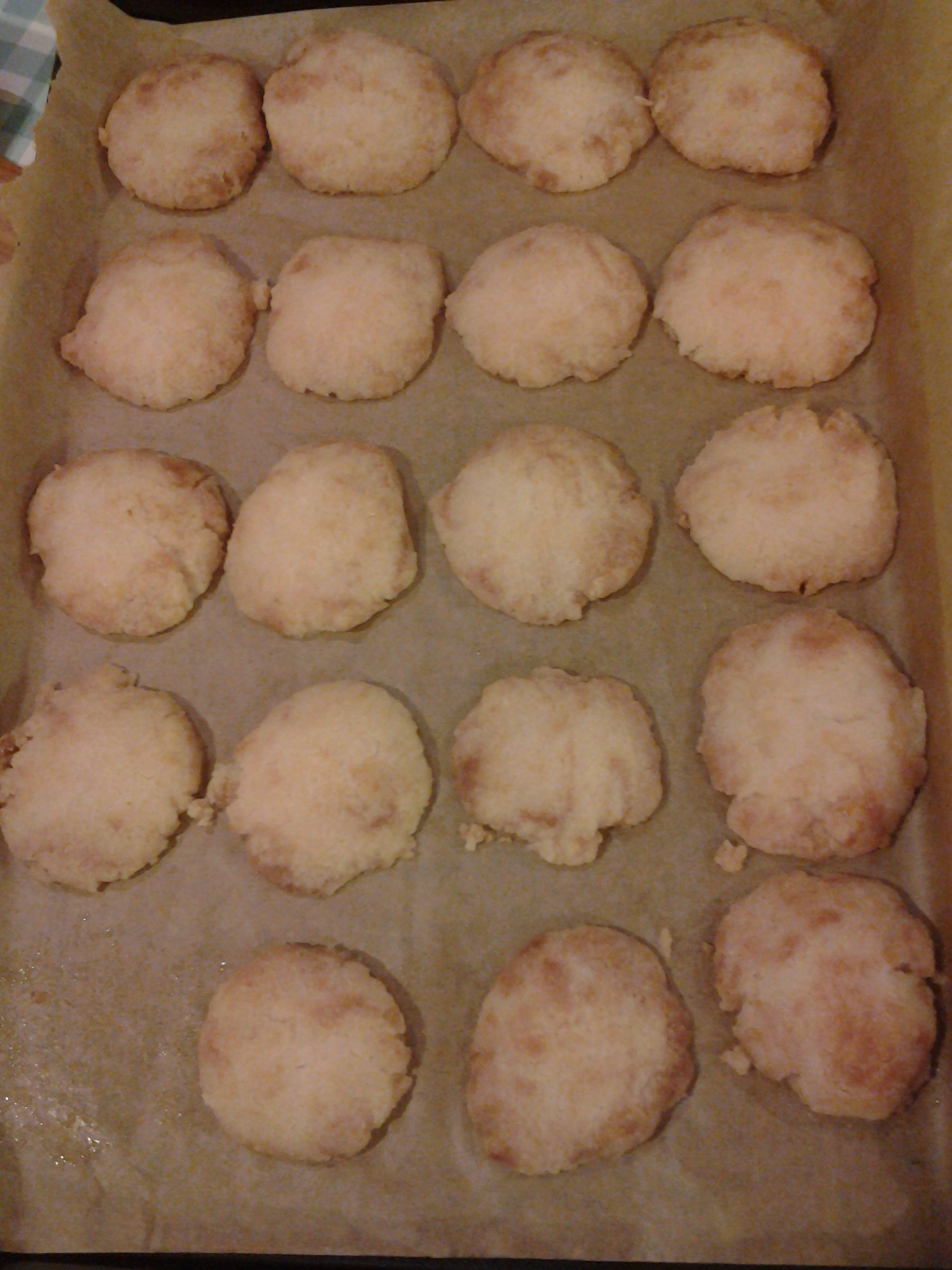
Rice-flour sugar cookies

Rice-flour sugar cookies

In the past few weeks, as well as my fall-back favourites of roast or grilled chicken with plain boiled rice, I have also perfected deep-fried savoury rice balls, chicken nuggets, chicken and cucumber curry, fried rice, chicken stir-fry, rice-flour sugar cookies and rice pudding.  My Mum has also made M a chicken breast stuffed with rice and cucumber, courtesy of the inspiration and some nifty hints suggested by our hairdresser and which was an instant hit with our young diner.  It’s surprising just how many different recipes you can create with just a few ingredients and there’s even a few more that I’m hoping to try out in the coming weeks.  What started out as a daunting challenge to entice M’s appetite and encourage him to once again eat whilst navigating the tricky world of identifying his food allergies, has become yet another success story in our household.

Letter-to-the-EditorSqareMy victory with such a limited range of ingredients has been all the sweeter given the recent UK news story of the letter sent to the Daily Telegraph newspaper by over 100 top chefs and restauranteurs condemning recent EU legislation requiring restaurants to provide information about which of the top 14 allergens the dishes on their menus contain.  It was never a requirement that they did not cook with these ingredients, but rather that they should be able to inform diners of what the food prepared contains, with the knowledge and pride in their ingredients that I would expect from any talented chef.  Whilst widely welcomed by those of us in the allergy-world as a step towards helping us make informed decisions about eating out, these chefs warned that such requirements would harm “…the spontaneity, creativity and innovation restaurants and others in the industry have enjoyed up until now.

Like so many others in my situation, I wrote a response on the Telegraph website, pointing out that this legislation will help me to protect my children and give them experiences that will ensure their continued health and enjoyment,  I do not deny that it’s up to me (and they as they grow older) to ask about allergens, but there’s no point asking these questions if the restaurants, waiting staff or chefs cannot provide the information needed and the lack of understanding about cross-contamination risks is sadly common across the food industry.

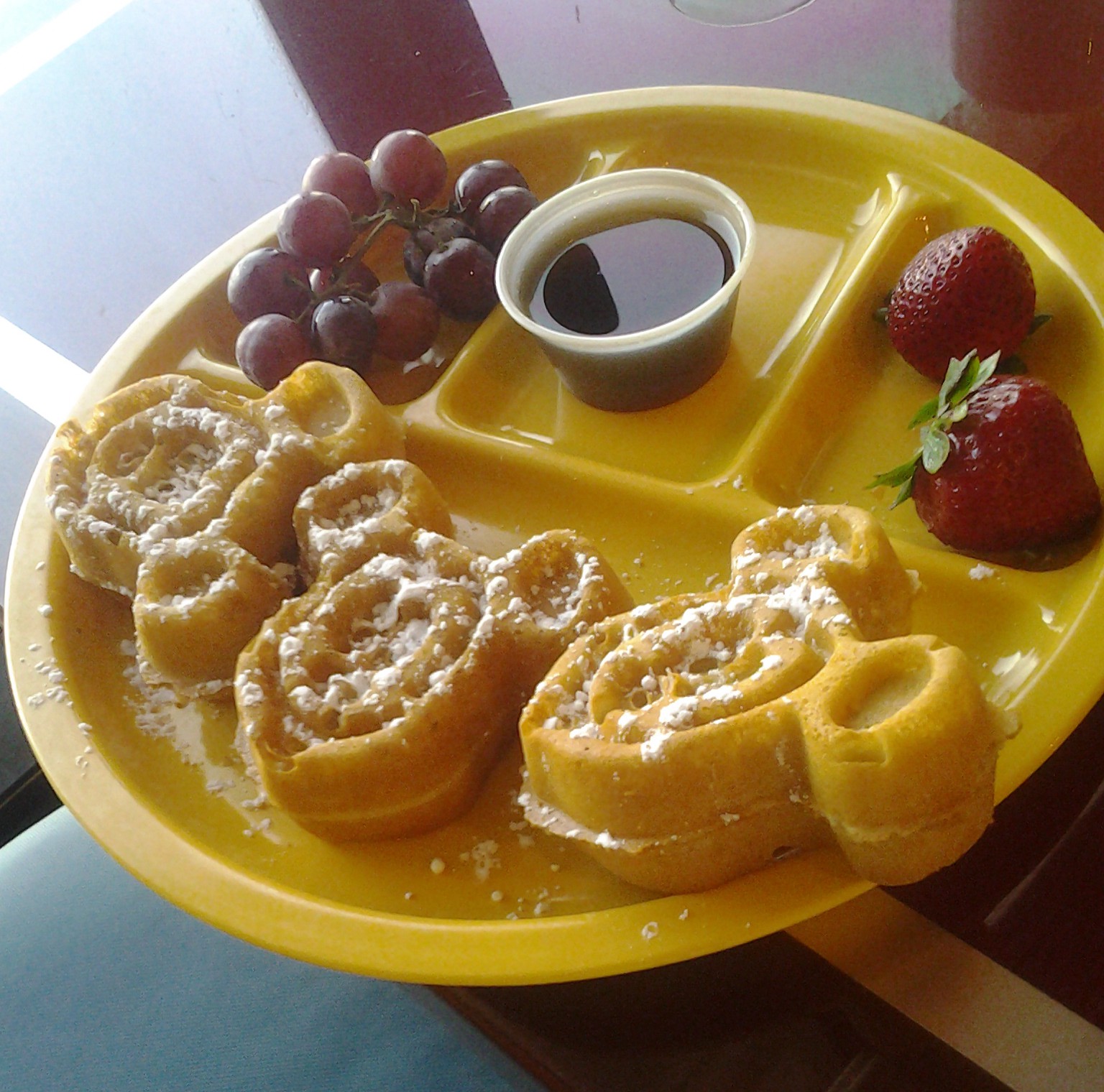
20140818_143459Our experience last summer in Disney proved that this type of requirement does not need to be restrictive as excellent allergen information was readily available and nearly everywhere we ate produced meals for G and M that rivalled those being served to any other customer there with a “normal” diet. The chefs were knowledgable, came to our table to discuss their allergy needs and made the effort to find out what my challenging duo would like to eat – excellent service all done with a smile.

The big challenge was always to cook M-friendly food and these days that task has become even more testing.  In my opinion, these rules will have little impact on spontaneity or ingenuity – try cooking or baking when you need to avoid wheat/gluten, egg, dairy, soya and potato to name but a few.  Ingenuity comes when you try to prepare a meal that makes your child feel that they’re not missing out and that’s something I feel I’ve proved is possible, even for an amateur cook like me.

A Super Tubie of my Own

Courtesy of feedingtubeawareness.com

Courtesy of feedingtubeawareness.com

This week is #feedingtubeawarenessweek, a week that our family is embracing with every ounce of our being this year.  Last year I wrote about our 2 previously brief encounters with a NG-tube, knowing that there was an ever-present chance that M might end up needing one at some as-yet-unspecified point in the future.  Just 12 months on and the state of M’s health due to his EGID means that a NG-tube is now part of our everyday family life.  The aim of the campaign this year is to dispel the myths and misconceptions that surround tube feeding and to show that adults and children can live their lives and have fun with the tube in place.  A tube is often the path to improved health and development and should be embraced as such by us all.  Their theme is “The truth about tube feeding”.

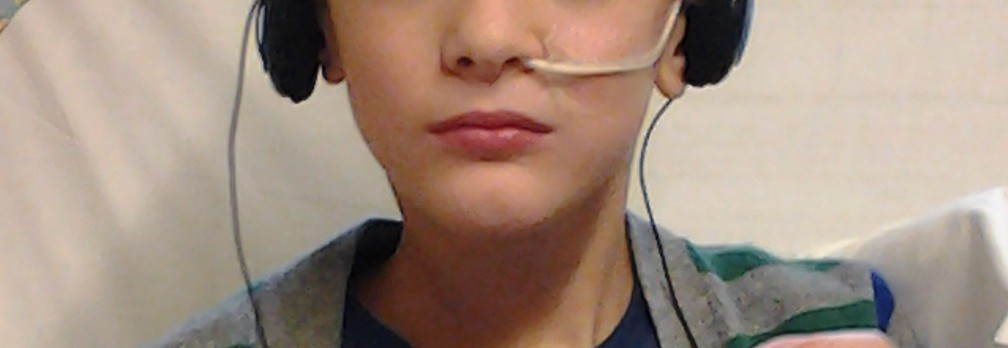
Picture1M’s friends and class-mates have accepted it as very much part of who M is and have been amazing at looking out for him at every turn without leaving him out of their games.  One friend was so intrigued by the tube and how it worked that I spotted him peering up M’s nostril to see where the tube went, just before M opened his mouth wide and pointed out that the tube could also be seen at the back of his throat – how I love the honest interest of 9-year old boys!  He was more bothered by the Year 3 children at school, who he often caught staring at his tube, but he developed his own coping mechanisms and when asked what “that” was – a question often accompanied by a finger pointing towards his nose – he started telling them it was “…nothing, but a mere figment of your imagination…”, before walking off, leaving in his wake a stream of very confused 7- and 8-year olds.

In light of all this, I was chatting to M this afternoon about his tube and people’s attitudes towards it.  I was interested to find out how he feels about strangers staring and what response he would want them to give instead.  His reply fascinated me as it expressed clearly how much more awareness is needed about tube-feeding and the impact had on those living with a tube. He didn’t mind the idea of people asking me about his tube and the reasons for it, but he isn’t yet comfortable with having to deal with those questions himself.  However, the most telling statement was this one:

“Adults should know not to stare, but sometimes they do and I don’t know why”

and that, in turn, made me think about how I feel about M and his NG-tube.  Hospital, home and support groups all exist within a protective bubble, where nothing is unusual and normal is defined by each individual and their particular needs.  It’s only when you go out into the outside world that you suddenly come up against opinion and prejudice and the harsher side of life; against people who don’t understand that this tube is bringing nutrition and healing to my child and who find themselves unable to pull their eyes away from the tube stuck to the side of his small face.

Courtesy of timemanagementninja.com

Courtesy of timemanagementninja.com

We’ve been lucky and haven’t experienced negative comments or unwanted interest.  Yes, I’ve seen the intrigued looks or double-takes as passers-by register his tube, and I’ve received the sympathetic smiles from other parents as they’ve watched me attaching his pump or silencing the alarm, but nothing more.  We’ve been fortunate to have the most amazing support from the families and friends who are part of FABED, many of whom have been in the same boat at one time or another and know how it feels to be suddenly following a slightly different path through life than the one we thought we were on.

Today, I found an article written by Traci Nagy, the founder of the Feeding Tube Awareness Foundation, in 2013 to discuss the importance of feeding tube awareness and thought I’d share with you this excerpt that sums up for me just why awareness matters so much to families like mine:

“It matters that people understand something about feeding tubes other than Terry Schiavo or that silly KE diet.  It matters that they know there are well over 200 medical conditions and diseases that can lead children to need extra nutritional support through tube feeding.  It matters that they realize that these conditions aren’t always visible, and that looking “normal” doesn’t mean there isn’t more going on inside.  It matters that they know that the feeding tube can be thought of like any other medical device in that it helps you do what you can’t do on your own…for now.  It matters that they understand that the benefit is that children get the nutrition and hydration they need to grow, develop and thrive.”

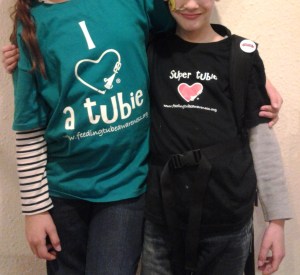
20150208_181917So, this week we’re the family proudly sporting the “I love a Tubie” t-shirts accompanied by the live-wire that is our very own “Super Tubie”.  Stop and say hello and don’t be afraid to ask me questions, but let M get on with whatever he’s doing.  We’re hoping to raise awareness and are happy to start in our community, after all, we know that every journey begins with a single step.
7 things to do in hospital when you’re 8 (& 3/4)

Two weeks in hospital is long enough to challenge the sanity of any adult, let alone that of an 8-year-old who is used to being on the go all the time.  As well as his daily visits to the hospital school, M was fortunate enough to have a number of other activities to take part in, which helped wile away the ever-lengthening hours.  I don’t know how many of these same opportunities, or others like them, are available at children’s hospitals across the country, but this is a selection of some of those M chose to do during his stay at GOSH:

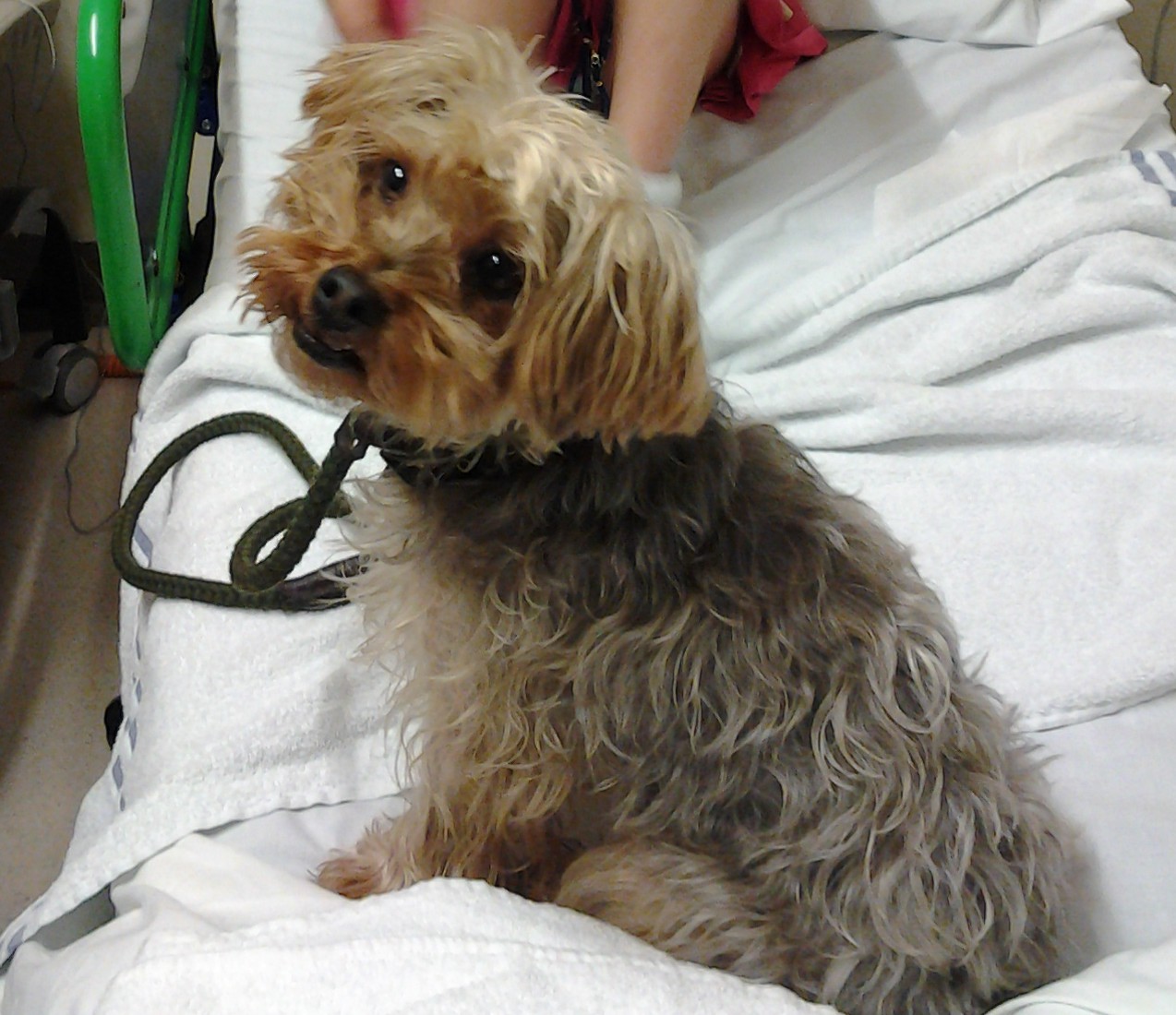
Pets as Therapy20141209_131336We were lucky enough to have 3 separate visits from 2 of the amazing “Pets as Therapy” dogs, Molly and Woof.  These charming animals are specially chosen for their gentle manner and make regular visits into hospitals, care homes and special needs schools to bring a great deal of comfort and love to those in the greatest of need.  I wrote a blog post not so long ago about just how much calm and comfort M draws from our cats at home and I saw the same things happening as he was able to pet and cuddle both dogs in his own space in hospital.  G was lucky enough to also have the chance to meet and fuss Molly as she visited on both Saturdays whilst Mike and G were visiting, and both children were encouraged to offer her treats for her patient behaviour when she was with them.


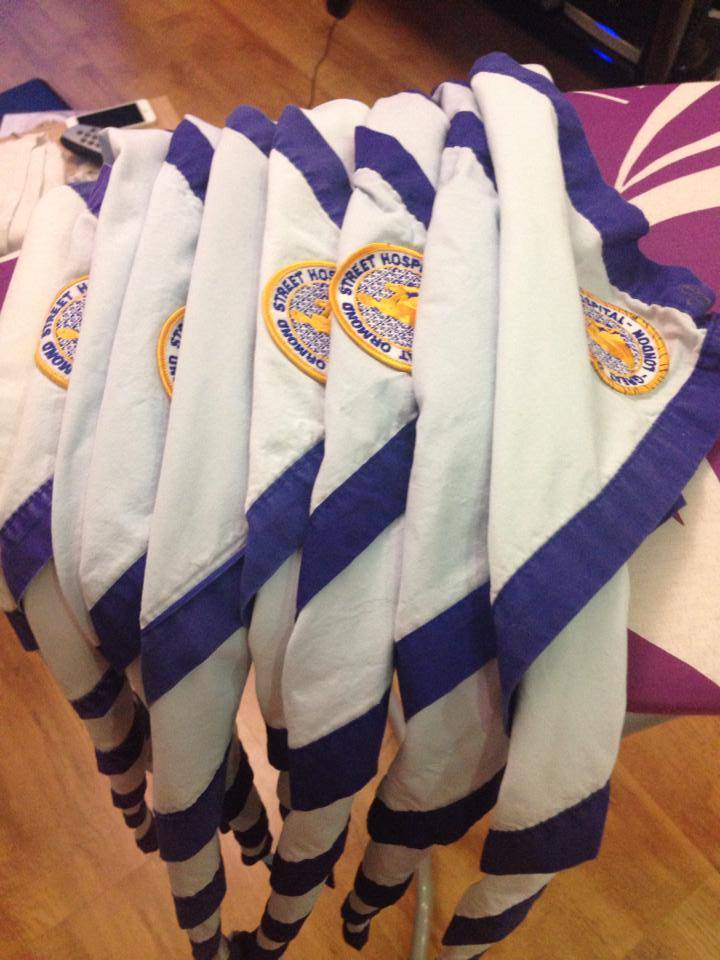
ScoutsscoutsThe visit to the 17th Holborn Scouts and Guides at Great Ormond Street Hospital was one of the highlights of M’s last hospital stay in 2013 and since finding out he was due another admission, he had talked of little else.  His biggest disappointment was that he was admitted on a Wednesday as Scouts meet every Tuesday evening and he had to wait a whole week before he could go again. During the evening, they provide a range of different crafts and games which are tailored for the differing ages and needs of the children attending that week and even reward regular attendance, an important boost for those children who are there on long-term admissions.  Sadly, M only managed to make one meeting again this year, but is already asking when he can go to Scouts again!


Courtesy of gosh.nhs.uk

Courtesy of gosh.nhs.uk

Saturday Club – Every Saturday afternoon, the activity centre (located next door to the school) is opened to patients and their siblings and friends for a couple of hours of crafts, games and some much-needed time together, away from the constraints of the ward.  On our first Saturday in hospital, M wasn’t keen on venturing too far from his bed, but the arrival of 2 of the Saturday club play volunteers, who engaged him and G in some riotous games of “Extreme Uno” as well as giant snakes and ladders, convinced him to change his mind.  By week 2, both G and M were chomping at the bit to join in the fun and whilst the staff there helped my 2 celebrate G’s 11th birthday with some rather nifty face-painting, an elegant birthday crown and Christmas crafts galore, Mike and I were able to escape for a sneaky 45 minute catch-up over coffee and cake in the hospital restaurant.


Courtesy of scholastic.co.uk

Courtesy of scholastic.co.uk

ReadWell book trolley – This was a treat we almost missed during our first week as the trolley came round as we were enjoying the ballet at the Royal Opera House, but thanks to some near-perfect timing, we stepped out of the lift just as the trolley was about to leave the ward.  M was able to choose from the wide selection of books displayed on the trolley and took great pleasure in being able to spend some time before deciding on an author we had not come across before.  To his absolute delight, not only did he have a free choice of books, but he also got to keep the books he picked out and he has enjoyed reading them since we got back home.  M also had the chance to create his own story with one of the ReadWell workers, who came into the school and acted as scribe as he weaved his adventurous tale of aliens visiting earth.


20141214_105928Ward Playroom – Whilst this was not the biggest room in the world, it held a vast array of games and activities to entertain the most particular of children.  M played on the Wii, found new board games to master and was able to borrow a DVD player and DVDs to watch over the weekends.  We made Christmas decorations, painted pictures, experimented with creating circuits with a science kit and M even decorated a ceramic money-box as part of his Christmas present to G.  20141214_105916


Courtesy of magicfree,net

Courtesy of magicfree,net

Magic – As well as a fleeting hello to the Clown doctors as we passed them in the ward corridor, one afternoon was brightened by the promise of a visiting magician.  M sat enthralled with a small group of his new hospital friends as this talented gentleman performed one awe-inspiring illusion after another.  He invited both children and parents alike to participate in some of the tricks and wowed us with his skills.  He listened as the children asked him questions about what he was doing and even watched M perform a rope trick of his very own.  My Dynamo-wannabee loved every moment of the show and dissected the tricks at length afterwards, trying to work out the secret of how they’d be done.


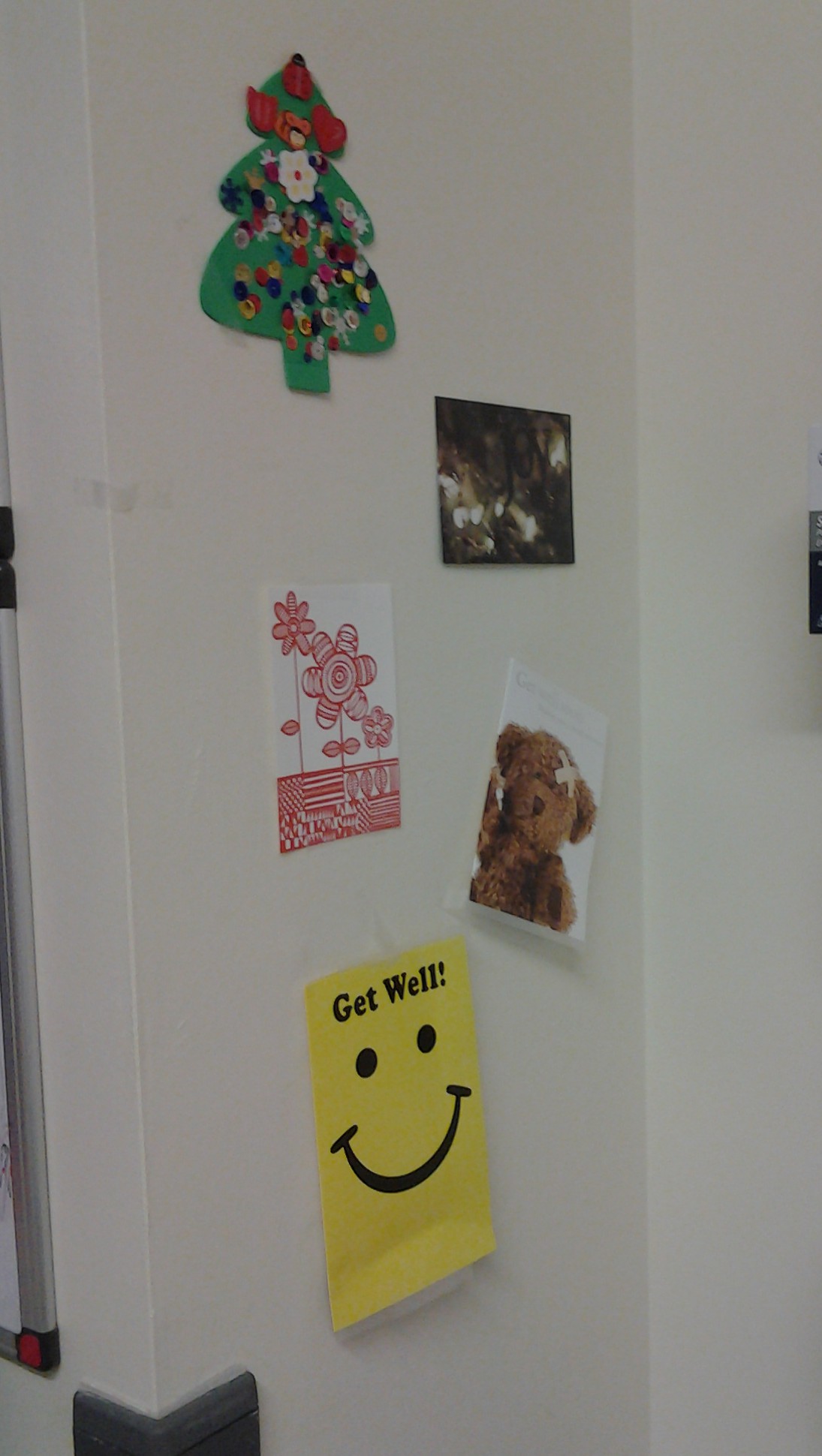
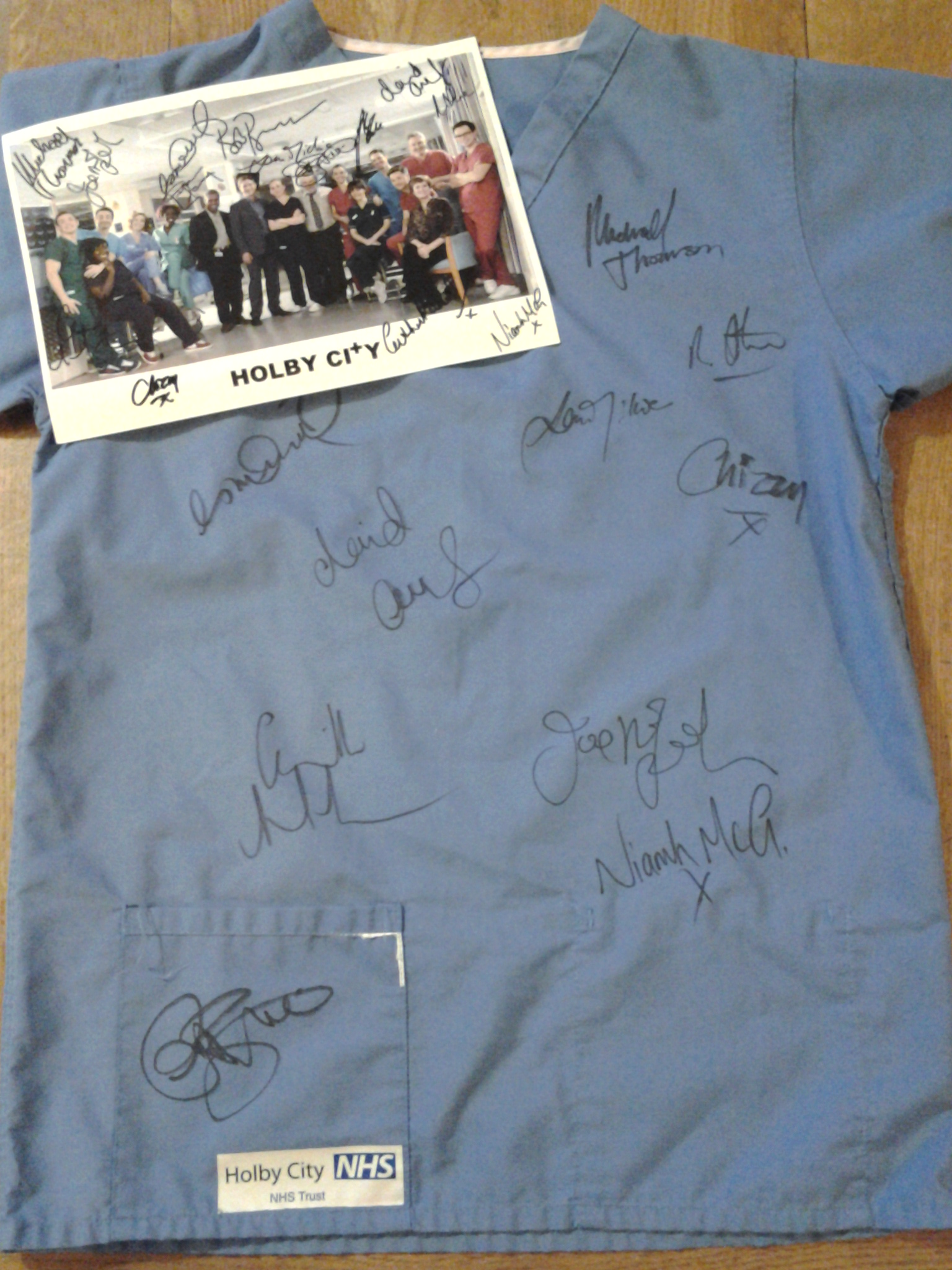
20141219_184138Post – Last, but not least is an activity that had nothing to do with GOSH itself, but everything to do with the amazingly thoughtful family and friends who were determined to bring a little cheer to our dreary corner of the long-term gastro ward.  Messages came from around the world – Canada, Madeira and across the UK – and each was special in its own way.  M received get well cards, postcards, books, stickers, games and other gifts that were guaranteed to entertain him day or night.  We decorated his bed space with the cards and added a Christmasy feel with the decorations that we had made in the playroom.  Knowing that people were thinking of us, loving us and sending us get well wishes and prayers sustained us both during the most difficult moments of the admission and brought some much-needed sunshine on the darkest days.   From the Christmas card from M’s class at school, to 2 pages of messages from Mike’s cousin and her friends and colleagues in Calgary; from cards and presents from our friends at church, to a card from the lovely members of my choir; and the 2 extra-special gifts of Angry Birds Jenga from our fabulous FABED family and signed photos and scrubs for both G and M from Holby City, courtesy of Simon Harper, my man at the BBC; all the mail was gratefully received and enjoyed hugely by us both.

                        20141220_193939

The 3rd and final step

M and his tube at GOSH

M and his tube at GOSH

With steps 1 and 2 complete, we were now onto the third step, the one which is going to have the biggest impact on M’s life for the next few months.  NG-tube in place, dis-impaction done and pellet study under way, it was now time to move M to an “elemental” diet, one which sees all foods removed from his diet and replaced by a nutritionally complete feed that consists of amino acids, carbohydrates, fats, vitamins and minerals.  The ideal would be for M to drink the 1.8 litres of this feed that he needs each day to have the right amount of calories and nutrients for his age, weight and height, but I knew we had no chance of getting him to do that.  Not only is he a reluctant drinker at the best of times, meaning it would be nigh impossible to get nearly 2 litres of liquid into him on a daily basis, but the feed is truly revolting to taste and even adding generous quantities of approved flavouring was never going to be enough to convince him to let more than a minimal amount pass his lips.  The only alternative was to feed him via his NG-tube, which meant an intensive few days in hospital for us as we worked out how best to give the feeds, the timings and rates that he could tolerate and I was trained on how to manage his tube.

The original plan proposed by the dietitians was that M receive six 300mls feeds a day via the gravity-feeding method, which meant that we would attach a large syringe to the end of his tube and gradually add the 300mls over the duration of the feed to ensure he took the full amount.  The principle of gravity feeding is that you can adjust the speed of the feed as the flow of the liquid is driven by the height of the syringe and the effect of gravity:  the higher the syringe, the faster the flow. The dietitian was keen that the feed be given over around 20 minutes, but it quickly became obvious that this just wasn’t going to be a method that would suit M.  Within 5 minutes of his very first feed starting, he turned pale and grey and complained that his stomach was hurting. The nurse giving the feed adjusted how high the syringe was held, but no matter how the syringe was positioned, things didn’t get better and by feed number 2, the nurses were adamant that this just wasn’t going to work for him, something I wholeheartedly agreed with.  At this point, we were only giving him 200mls instead of the full 300mls, but even that was proving too much for M’s sensitive digestion, so the dietitian finally had to agree to what the nurses were telling her and everything was changed yet again.

M's rather snazzy new pump

M’s rather snazzy new pump

Our new routine saw the feed mixed to a higher concentration, meaning that we only needed to get 1.5 litres into him a day and we were introduced to the wonders of a pump.  The pump means that the rate of giving the feed can be at a speed that best suits M and can easily be tweaked as each individual situation requires.  There was a lot to learn in the few days we had as I needed to know and be confident in how to check that his tube was correctly positioned, what to do if it appeared to have moved, how to prepare the elemental feeds and how to attach and properly operate the pump.  There was also the added complexity that the pumps used on ward by GOSH were not the same as the one approved in our community and whilst the principle was the same, the processes were slightly different.  However, by the time discharge finally happened, I was as au fait with this new part of our life as I could hope to be, felt that we could cope at home and, more crucially, had enough medical supplies to see us through the next few days.

M and his tube at home

M and his tube at home

Since that first day, now over a month ago, that original regime has been changed and tweaked more times that I care to imagine.  The suggestion of 6 feeds being administered at separate 30 minutes periods throughout the day were impossible for M to manage as he wasn’t able to tolerate the 250mls over either the initial proposed 30 minutes, nor our second attempt of an hour.  It also quickly proved impractical as any issues with the placement of the tube would take at least 20 minutes to resolve and that was time that we couldn’t expect the school to give him as he doesn’t get any individual support.  We soon realised that M wasn’t coping either physically or emotionally with the constant feeding and we have now settled on a routine that seems to work for everyone concerned.  His first feed is a 1 litre one starting at around 6.30am, which is given slowly enough to avoid too many tummy aches or occurrences of reflux and which lasts until the end of lunch-time.  The pump is disconnected at that point and M is able to enjoy an afternoon free of the encumbrance of his pump whilst at school.  The final 500mls feed begins between 4pm and 4.30pm and takes us all the way through to bedtime.

This is the routine that we will be living with for the next month or so and then the task of food reintroduction will begin.  As our local dietetics team has refused to be involved in M’s care, we will be working with the dietitians from GOSH to work out a detailed approach to trialling foods and the order we try them in.  The elemental feeding via NG-tube will continue alongside these food challenges until we have identified enough safe foods for M to eat and get all the calories and nutrients he needs to be healthy.  It’s not going to be an easy or quick task to complete, indeed there is a long and arduous road ahead, but it should be one that leads to more answers for M’s health than we’ve ever had before.

Round Two: the Pellet study and other adventures

Courtesy of 123opendata.com

Courtesy of 123opendata.com

Once the NG-tube was finally in place, M and I then had 5 long days to survive the copious amounts of Klean-prep, senna and picolax that were pumped into his system to clear his troublesome bowel.  Although we appeared to be off to a slow start, these powerful laxatives finally did their job and by late Monday afternoon, the gastro registrar was confident that we were ready to start the pellet study and a x-ray confirmed his opinion.  I had already met with one of the gastro investigation nurses, so knew that the 3 pellets, containing different shaped plastic markers, were ready and waiting on the ward for M and all we needed to work out was how best to get him to swallow them.

Over the last year, we have made huge strides in getting M to swallow tablets whole and no longer need a spoonful of Grandma’s jam to help the medicine go down as he has conquered his struggles and now merrily swallows them with just a mouthful of water to help.  However, there were 2 problems we now had to overcome:  M’s new-found fear of swallowing capsules with the NG-tube in place and the fact that these pellets are of a size that even I would struggle to take easily, let alone a small child.  The nurse suggested we resorted to mixing the markers into a couple of spoonfuls of jam and that was our first attempt.  For reasons that will remain forever unclear, M found even this method difficult to manage and instead resorted to swallowing the pellets one tiny marker at a time.  It may have taken considerably longer than anyone expected, but the pellets were taken and so round 2 of our admission was well underway.

The week should have been an easy one, as it was supposed to require nothing more of us than completing the pellet study, but unfortunately it was at this point that I had to brace myself and find the strength to weather an unexpected and turbulent storm.  Despite both Mike and I having repeatedly made clear that we have almost no support from our local hospital and their paediatric gastro team, this information appeared to have got lost along the way and I found myself embroiled in a battle to keep M in hospital once the pellet study had started.  GOSH felt sure that we would receive all the care and advice we would need from our local and nothing I said would convince them otherwise. battle I spent more hours than I care to remember fighting M’s corner and insisting that the consultants didn’t discharge him before the study was complete and the NG feeding started.  The pressure was huge, both on me – as I talked, discussed and cried my way through numerous meetings with nurses, doctors, dietitians, psychologists, PALs workers and indeed anyone else who would listen – and on Mike – as he sought to juggle the challenges of working, looking after G at home and supporting M and me whilst we were several hours away and only contactable by phone.

It quickly became evident that GOSH simply could not conceive that we could be as lacking local support as I was asserting we were and I have no doubt that they were beginning to view me as something of an overwrought, overtired, over-emotional and somewhat neurotic mother, who was unbelievably arguing to keep her child in hospital, when most other parents were trying desperately to get their children discharged before Christmas.  By the end of the week, it had all come to a head and I was at my wits’ end, but was finally vindicated late Friday afternoon, when our local dietetics team refused in no uncertain terms to take on M on a shared care basis with the GOSH dietitians – an entirely new experience for GOSH, though sadly an all too familiar one for us.

lighttunnelDespite all the heartache and distress this unnecessary battling caused, there was some really positive light at the end of the transit study tunnel.  The final x-ray on Friday indicated that M’s bowel is working more or less as it should.  It may be a little slower than ideal, but the markers had moved through M’s system and the consultant was delighted with this result, which means that the bowel is currently doing its job.  We really couldn’t ask for anything more.  So, the conclusion drawn is that it is the complex and multiple food allergies that have been causing M’s diarrhoea and other symptoms because of his underlying condition, EGID and the final step is to identify these as accurately as possible.