
My last blog post about M’s interpretation of his pain and how important it is for his medical team to understand him sparked a series of interesting conversations both on-line and in real life about just how effective pain scales can be for those who suffer from chronic pain. So many shared their own experiences of how their children express their pain and adapt to a new “normal” based on what their average day looks like and the symptoms they assume to be something that everyone has because they’ve never learned any different. What was most fascinating was the array of ideas and examples of the different pain charts out there that were sent to me and I thought I’d share some of them with you:
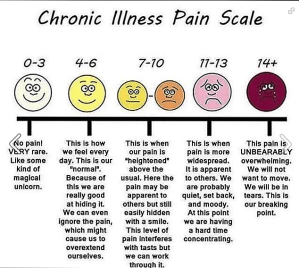 G’s godmother shared this pain scale image with me and I love the wording that is attached to it as it sums up to a tee how M has described his levels of pain over the years. From the magical unicorn of no pain at all which happens occasionally, to the breaking point of inconsolable sobbing and unbearable pain that little can ease, I’ve seen M pass through every stage of this chart on all too regular a basis. I doubt the colours, images or facial expressions would appeal overly to him, but it helps to clearly explain how he copes to those who need to know.
 A fellow FABED Mum sent me this one saying, “It’s the only one that’s ever worked – I think it’s because apart from the last face, they aren’t very emotional, so she is prepared to admit to them. There is a Lego one, but the emotions depicted on the faces is *extreme* – I think it’s more for a paediatric A&E type thing. So a kid with a normal pain/health experience would probably find it helpful, but the level of distress the pain correlates to isn’t much help for someone who has made this into their normal…I do think these pictorial pain scales are good – pointing is so much easier than talking, to start the process. R finds the words ‘annoying/uncomfortable/miserable/horrible’ very helpful and she even sometimes uses them without prompting.” The recent release of the latest “Peanuts” film will no doubt lend added appeal to this Charlie Brown themed scale.
 This third one I discovered through Twitter and was posted up by @2tubies, whose 6-year old son helped make his own pain chart for the school environment with the help of the school SENCo and his Mum. They used Lego figurines to depict how he might be feeling and offered some easy solutions for his symptoms. This solution-based approach is one that I find works well with M and have started using it more and more over the years. I rarely give M the option of staying home from school when he’s feeling unwell, but will instead list out those solutions I think might ease not only his pain, but also the whirlwind of emotions that is so frequently tied into what he’s feeling on a physical level. Whilst he was still being tube-fed, I would always start with the offer to slow down or even stop his pump for a limited amount of time and then followed that up with pain relief or a hot water bottle. My final question has always been what M thinks will help him the most and given he has a clear idea of what I’m suggesting, then we have always been able to find a solution that works for us both. Whilst giving these choices verbally works well at home, I imagine that presenting them in a pictorial fashion would make great sense in the school setting.
Of course, the ideas behind these pain scales can easily be extended to cover other physical and emotional needs that our children may have when outside of the home. When G was younger and dealing with her own health challenges, one of her fantastic teachers introduced the concept of a “magic marble”. We had discussed the use of a password, a word that was random enough to not be misinterpreted as a genuine contribution to a conversation and which would indicate that G needed help, but she was at an age when she was reluctant to vocalise her needs and the use of “rhinoceros” actually stuck out like a sore thumb most of the time. Instead, G kept her marble somewhere safe and easily accessible at all times, be that her pocket, bag, drawer or table, and just needed to give it to her teacher or place it on the teacher’s desk to indicate she needed some support. No other child was aware of the significance behind this marble and consequently didn’t bat an eyelid if they spotted her handing it over, assuming that she’d probably just picked it up and was handing it in. It was an easy way for G to communicate her needs about a sensitive subject and gave her a sense of ownership over a situation that was otherwise lacking her control.
 At G’s secondary school, they have included traffic light coloured pages in the back of the pupils’ planners and the children are encouraged to use them by putting the relevant colour facing up on the desk if they need some help during a lesson, but are too worried or nervous to ask. For some children, a “traffic lights” approach using counters or cards can also be effectively used to indicate how they are feeling in any given situation, where red can indicate their sense of losing control or not coping with the environment surrounding them. The opportunity to be tactile with the counters may also help children with sensory issues order their thoughts and be more able to express them when asked. Even if the child is not able to share what’s troubling them, a clear plan of how the teacher or adult in charge should respond to each colour will change that child’s perceptions and experiences away from home. Similarly, M’s school uses a “Fist to 5” approach to their work, where fist indicates a lack of understanding and the need for some help, and 5 means they are confident and happy to carry on on their own.
Whatever the system used, these scales encourage a child to communicate with the outside world about how they are feeling and coping, even when they don’t have the words to express it.

 those “virtual” friends from on-line support groups, who during the length of our admission were also admitted to GOSH. The ability to finally put faces to names, with a reasonably comprehensive background knowledge already in place and be able to spend time chatting, laughing, drinking tea and commiserating was priceless.
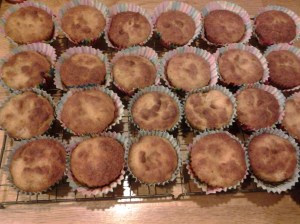 M wanted to use them to create Pudsey Bear’s face as best he could. Design done, Wednesday evening saw M whipping up the cake batter with a little supervision from me and the resulting 24 perfectly baked M-friendly
  We had already made a simple cardboard frame in the shape of Pudsey’s head to hold the cupcakes securely and,having fitted 10 cupcakes neatly into place, M got started on the icing.
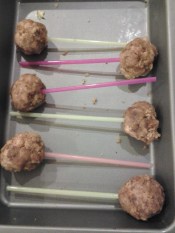 I crumbled 8 cupcakes into a bowl and was delighted to see that the grated apple and pear in the cake mix gave enough moisture to form balls. M cut up some drinking straws as I carefully moulded our cake balls and stuck them to the sticks to create the lollipop shape. My full recipe is
  It turned out to be a later night than planned, but M ended up with 2 entries to the school competition he could be proud of and was delighted that nearly all of his cakes sold at the fundraiser on Friday.






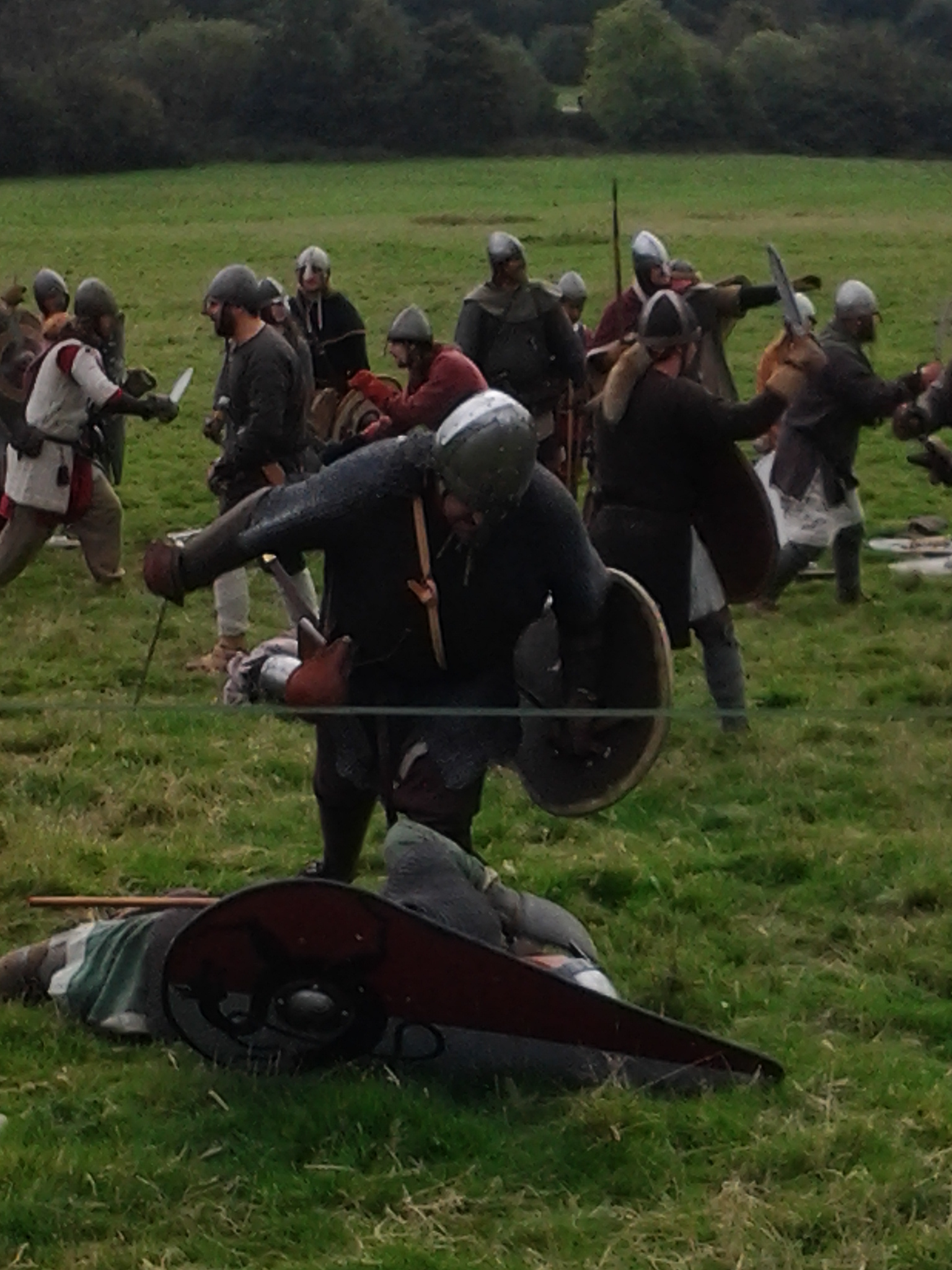
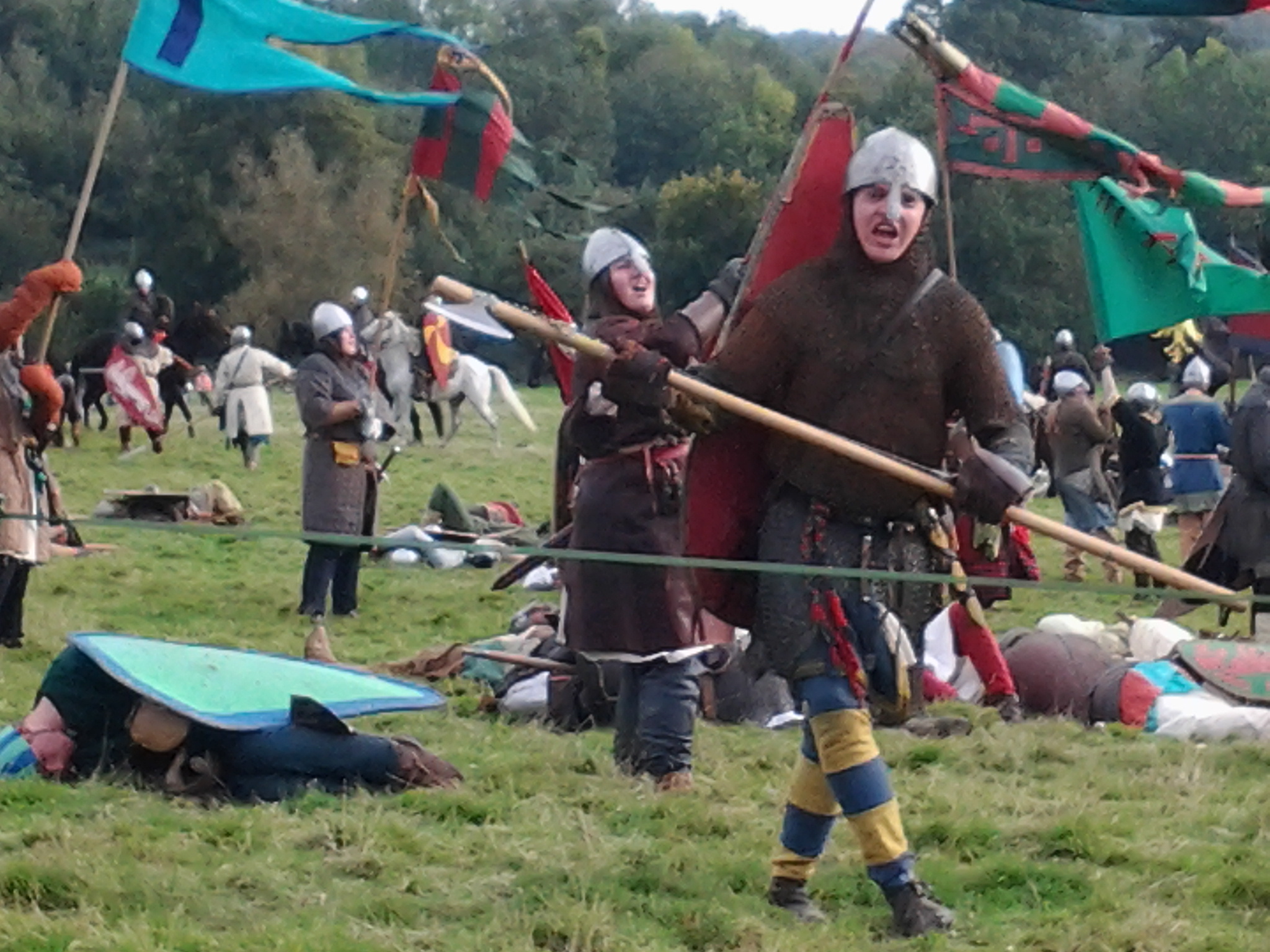
 The children were enthralled by the impressive weaponry display, which showed the different types of weapons that would have been used by the cavalry and infantrymen of both armies and treated us, in our front row seats, to a frighteningly realistic charge by the opposing sides. For many, the highlight of the day had to be the battle itself, which was acted out in front of us with a mix of live and recorded commentary to talk through and explain the events as they unfolded. I was impressed with G’s understanding of the tactics employed by Duke William’s army and she was able to hold her own afterwards when in discussion with 2 of the men involved in the re-enactment. It was a fantastic day out, the children now both have a greater understanding of this significant historical event and Mike broadened his knowledge of his adopted homeland too!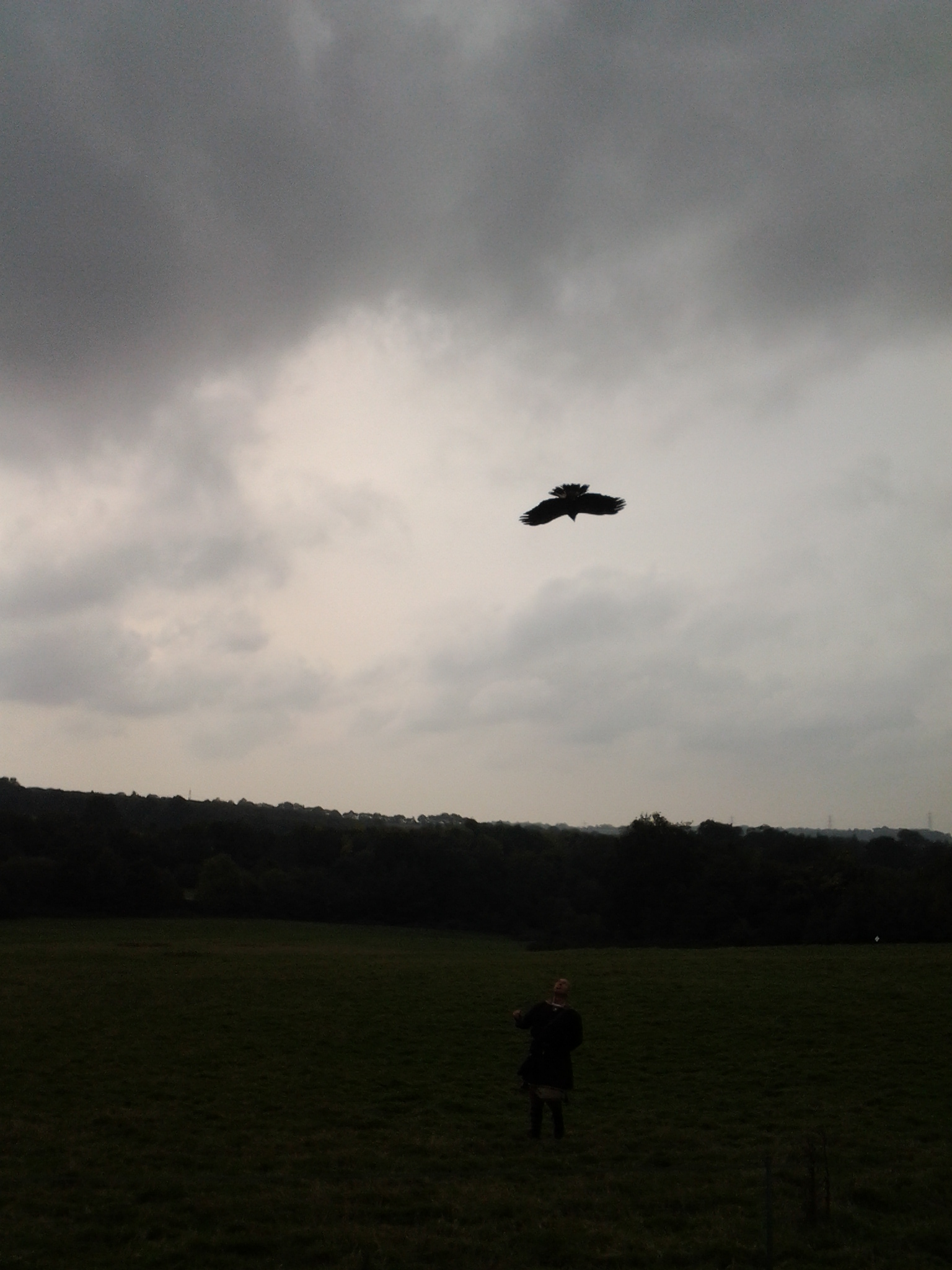









 7 years to diagnosis