
 This week is Mental Health Awareness Week (#MHAW19) in the UK and the focus this year is on body image – how we think and feel about our bodies. I’ve talked about mental health in relation to our family before as there is no question that the ongoing challenges of M’s ill health and the restricted diets of both children have impacted not only them, but Mike and me too. Just because I’ve not written about body image issues before doesn’t mean we haven’t faced them and I thought it was finally time to try and put my pen to paper and talk about our experiences honestly.
 It’s taken me a long time to become comfortable with the way I look. I am not a size 10 having, as I have often said, passed through it on my way to bigger and better things. I struggled as a teen being taller and bigger than some of my friends and again as a new Mum, when some of my antenatal group bounced back to their size 8 jeans within a ridiculously quick space of time, something I was never going to achieve. The depression that has haunted me since my early teen years didn’t help with my sense of self worth and it has taken me 40 years to finally accept that I am the way I am and that that is enough. That doesn’t mean that I don’t occasionally have a crisis of confidence even now, but I have learned to wear clothes that flatter my shape and can truly step out with confidence when everything comes together to help me feel good about the way I’m presenting myself to the outside world.
 There is no question that G is the spitting image of Mike and his side of the family, which gives her beautiful tanned skin and dark hair, although her build is very similar to mine. She has struggled at times with not being as slender as some of her friends and these days complains that she appears to have stopped growing whilst her friends are still inching past her. She is a beautiful young lady on the inside as well as out and we encourage her to find her worth in the way she behaves and reacts to the people who are around her and not her physical looks. We have all heard the criticisms of both print and social media and the airbrushed images that all too often create unrealistic expectations in our children and young people. The increasing popularity of taking selfies and then using social media filters to manipulate the image presented to the world can add to our unrealistic perceptions about the way we should look. I still remember a discussion we had with one of the paediatricians when she was little, who told us that the danger these days is that our perceptions and expectations of body shape and size are such that we fail to recognise when people are a healthy weight for their height and instead view them as overweight. G is learning to eat healthily, keep active, believe in herself and, most importantly, to not constantly compare who she is to her friends.
 It is easy to believe therefore that if you’re slim you have no reason to have body image issues, but I can tell you that’s not true either. M is the complete opposite to the rest of us and has always been on the slender side. He is chatty, witty and can ooze absolute self-belief at times, and yet he has struggled with feeling too thin, too short and lacking muscles when compared to some of his friends. He refused to wear shorts during his Junior school years, even when the weather was gloriously sunny and we asked for permission for him to wear jogging trousers rather than shorts for PE – all because he hated the way his legs looked. These days he’s a little more prepared to reveal his legs, particularly when it’s too hot to be comfortable in jeans, but he frequently comments on just how much taller than him many of his classmates are.
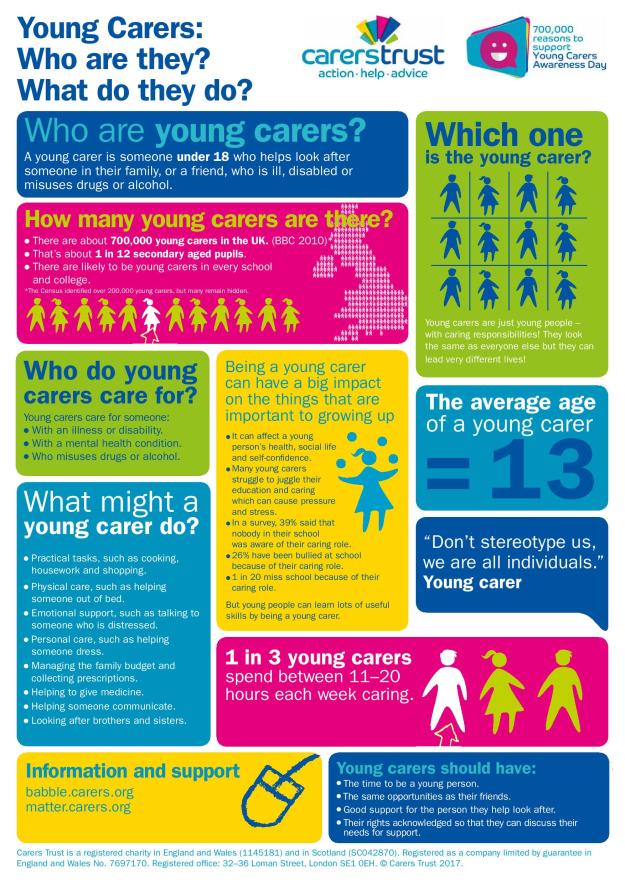
Boys can be just as much affected by body image issues as girls can and we’re lucky that our secondary school is very aware of that fact and looks to support all of the pupils in its teaching about these matters. We are all aware that puberty is a tricky time and one that needs to be carefully navigated by all involved. At home, we look to help both G and M grow up with a positive self image and belief as well as teaching them the importance of balanced meals and regular exercise. We also encourage them to talk openly and honestly with us about how they’re feeling about various issues, not just about the way they look, and will help them find answers or solutions if they want. Our youngsters grow up sadly believing all too often that they need to be thin and conventionally beautiful to succeed in this world and I find it devastating that they do not truly understand and believe that there is so much more to achieving success than the way they look.

 I hate to say no to people and always end up feeling very disingenuous as well as guilty when I come up with a reason why I don’t want to set up a regular donation on the spot.
 that effort is priceless. At the moment, we seem to be a state of status quo with M’s health which is fantastic, but there is also a sense of overwhelming ennui when it comes to our ongoing relationship with our local hospital and M’s gastro consultant. Taking the time to talk to me about life apart from M’s EGID makes a big difference and should never be seen as inconsequential. We teach M constantly that there is so much more to life than his illness and it’s important that we hold on to that truth and don’t get bogged down in the mundane.

 I know that her gluten- and dairy-free diet still makes her feel too different to the rest of her tutor group for comfort and she has struggled with sticking to the restrictions, especially when her friends are enjoying treats that she would love to be able to eat. We’ve worked to fill her lunchbox with foods and snacks that make her feel a little more “normal” and a part of the crowd, and I will continue to hope that this doesn’t become a cause for bullying as she moves her way through secondary school.
 When you’re growing up with a chronic illness as your one constant companion, it can come as no surprise that that condition begins to
 Thanks to the amazing charity,
  , when what they really mean is that such events have saddened or upset them rather than the total immobilisation that comes when you struggle with depression on a daily basis. I am not devaluing the emotions they may be experiencing when those things happen, but are they really akin to the overwhelming nature of depression? I think not.
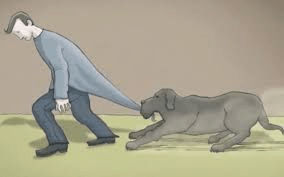 I did eventually come to terms with my diagnosis, though sadly my determination to get my T1D control back on an even keel brought with it an unexpected complication with my eyes, which in turn has led to even more serious implications than I could ever have imagined when I was 13 and feeling very much on my own in a battle against the rest of the outside world.
 That strong support network of family and friends who are constantly surrounding me is invaluable and the knowledge of what is really important – M and G – keeps me getting out from under the duvet every morning and making my way through each day.
 is that he doesn’t feel ashamed or embarrassed by the times when he’s not able to cope emotionally, or mentally, or even physically with the pressures that his diagnoses will have on his life, and that he learns to openly acknowledge them; and that he realises that he’s not on his own in that regard.
 making sure more people know about this condition and what it means to be living with it, and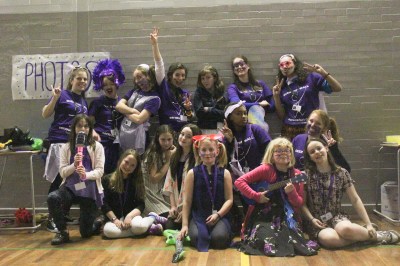
 The reasoning behind this plan was simple and easy to understand: G and M. They wanted to show support to G as one of their own and, knowing how much she had benefitted from her week away and recognising her commitment to supporting M during NEAW, believed that this was the perfect opportunity to do it.

 He loves to run around and be on the go and into everything all of the time. I mean it. M just doesn’t stop, ever. He’s always given 110% to whatever activity he’s doing, even if it meant trying to finish a swimming lesson white as a ghost and with a temperature of 39.5°, or running the magic mile on the first day back at school after a week off vomiting and barely able to move from his bed or the sofa. Whilst you might often find G curled up in a chair or on her bed reading a favourite book, the only time you’re likely to find M doing the same is at 11pm when he’s waiting for me to come to bed before settling down himself, and even then you’re just as likely to find him playing his cello, or perfecting his dance routine, or building with his Lego.
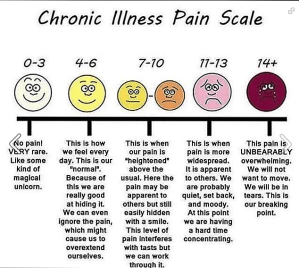 G’s godmother shared this pain scale image with me and I love the wording that is attached to it as it sums up to a tee how M has described his levels of pain over the years. From the magical unicorn of no pain at all which happens occasionally, to the breaking point of inconsolable sobbing and unbearable pain that little can ease, I’ve seen M pass through every stage of this chart on all too regular a basis. I doubt the colours, images or facial expressions would appeal overly to him, but it helps to clearly explain how he copes to those who need to know.
 A fellow
  This third one I discovered through Twitter and was posted up by @2tubies, whose 6-year old son helped make his own pain chart for the school environment with the help of the school SENCo and his Mum. They used Lego figurines to depict how he might be feeling and offered some easy solutions for his symptoms. This solution-based approach is one that I find works well with M and have started using it more and more over the years. I rarely give M the option of staying home from school when he’s feeling unwell, but will instead list out those solutions I think might ease not only his pain, but also the whirlwind of emotions that is so frequently tied into what he’s feeling on a physical level. Whilst he was still being tube-fed, I would always start with the offer to slow down or even stop his pump for a limited amount of time and then followed that up with pain relief or a hot water bottle. My final question has always been what M thinks will help him the most and given he has a clear idea of what I’m suggesting, then we have always been able to find a solution that works for us both. Whilst giving these choices verbally works well at home, I imagine that presenting them in a pictorial fashion would make great sense in the school setting.
 At G’s secondary school, they have included traffic light coloured pages in the back of the pupils’ planners and the children are encouraged to use them by putting the relevant colour facing up on the desk if they need some help during a lesson, but are too worried or nervous to ask. For some children, a “traffic lights” approach using counters or cards can also be effectively used to indicate how they are feeling in any given situation, where red can indicate their sense of losing control or not coping with the environment surrounding them. The opportunity to be tactile with the counters may also help children with sensory issues order their thoughts and be more able to express them when asked. Even if the child is not able to share what’s troubling them, a clear plan of how the teacher or adult in charge should respond to each colour will change that child’s perceptions and experiences away from home. Similarly, M’s school uses a “Fist to 5” approach to their work, where fist indicates a lack of understanding and the need for some help, and 5 means they are confident and happy to carry on on their own.
 7 years to diagnosis