Tag Archives: food allergies

Lessons about the Press

My foray into the world of the local press over the last week has taught me some interesting life lessons.  Last week was all about my appearance on our local BBC radio station to talk about EGID, National Eosinophilic Awareness Week and baking for a child with multiple food allergies.  I had some great feedback from people who’d listened to what I had to say and thoroughly enjoyed the experience.  The pros were all about getting that message out there and raising some much needed awareness about this rare condition. The cons were that I didn’t know what I was going to be asked beforehand as it was all completely unscripted and so missed giving some information that would, in my opinion, have made the interview even better.

Today an article featuring our family appeared in our local paper.  The interview hadn’t been the easiest as I took the phone-call at work and could be spotted standing on one leg about 10 feet from the front of the office, with my left hand raised in the air in a vain attempt to get a decent enough signal to be heard at the other end – well maybe not really, but you get the picture!  I don’t find explaining EGID the easiest thing in the world when sitting face to face with the person asking the question: there’s a tendency for the individual to begin to glaze over, right up until I mention that M struggles with multiple food allergies as part of his condition.  At that point, their interest sparks up again as everybody inevitably knows somebody who can’t eat wheat/gluten/dairy* (*delete as appropriate).  Now, imagine trying to discuss a rare and virtually unknown condition over the idiosyncrasies of the mobile phone network – nigh on impossible.

NST (2)

However, despite it all, I’m not disappointed with the article that was written.  Okay, so the headline was misleading given our actual aim is to raise some much needed awareness about EGID rather than food allergies, but the reporter did include lots of important and accurate information.  I was delighted that she included some words about FABED, without whom I doubt I’d have found the confidence to even approach the press to report about M, as this was the bit that was missing from my radio interview on Friday.  To my delight, the paper has also agreed to run a small follow-up piece next week about our fundraising efforts this week and report how much money we have managed to raise for FABED.  That will be my opportunity to include FABED’s website details and to encourage our community to consider supporting this worthy cause.

feetup

With all the excitement of 2 appearances in the local press within the space of a week, this media mogul decided she needed a break of the mundane task of family dinner and instead tonight’s menu was courtesy of Mike:


M

Me

Mike

Breakfast
  • Home-made bread (1 slice) with free-from spread
  •  Sliced pear
Bowl of:

  • Free-from cornflakes
  • Rice milk
Lunch
  • Sesame snaps
  • Fruit buttons (blackcurrant)
  • Chocolate cupcake (1/3)
  • Home-made rice bread (1 slice)


  • Sakata rice crackers (6)
  • Cucumber
  • Celery
  • Peanut butter


  •  Brazil nut & sultana cereal bar (2)
  • Mango fruit smoothie
  • Apple
Dinner
  • 2x home-made rice bread (toasted)
  • Baked beans
  • Pears (1/4)


  • Taco shells (4)
  • Home-made chicken satay (chicken, onion, garlic, courgette, mushrooms, tomato, peanut butter, coconut cream, chilli flakes)
  • Home-made coleslaw (red cabbage, carrot, onion, egg-free mayonnaise)
  • Taco shells (4)
  • Home-made chicken satay (chicken, onion, garlic, courgette, mushrooms, tomato, peanut butter, coconut cream, chilli flakes)
  • Home-made coleslaw (red cabbage, carrot, onion, egg-free mayonnaise)
Snacks
  • Sliced pear (1/4)
  • Nakd cocoa orange date bar
  • Dried apricots (3)
  • Sakata rice crackers (2)
  • Peanut butter


M’s Daily Bread

When our journey to reaching a diagnosis for M started at GOSH 3 years ago, we never could have imagined how radically his life, or ours, would be changed.  It was incredibly difficult to remove so many things from his diet and I will never know how our amazing 5 year-old accepted this new way of life with so little resistance.  Over the past 3 years I’ve spent a lot of time developing recipes to allow both G and M to enjoy the same sort of treats as their friends, be it traybakes, cakes or biscuits, all with varying success; but the one thing I’m yet to perfect is bread.

G is able to eat the wonderful Genius bread, which we discovered back in 2009 when she had the most difficult diet in the family, being wheat-, dairy- and oats-free.  That discovery made a big difference to her life at the time and we were once again able to easily enjoy picnics and packed lunches without G feeling like the odd one out.  Unfortunately, M has not been so lucky.  Genius bread contains egg, which is still a no-go for M despite 3 attempts to re-introduce it into his diet, and also potato starch.  Instead, he is left with the dubious pleasure of Ener-G brown rice bread, which really is only just about edible when toasted and, I suspect, only then because there isn’t a good alternative.

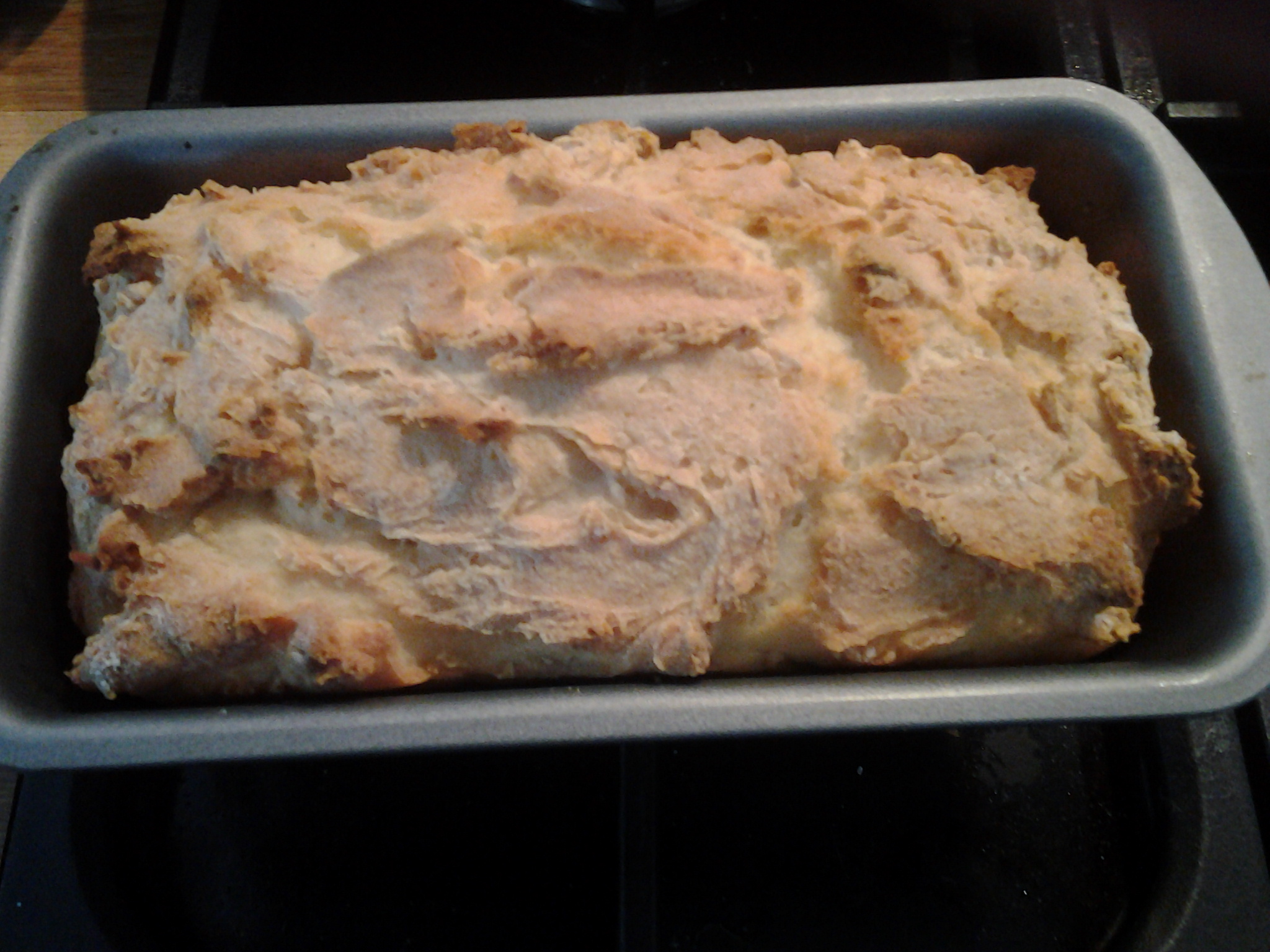
I have attempted a couple of bread recipes, but have never really ended up with a loaf that M has enjoyed enough for me to make again.  As I unexpectedly have him at home from school due to his tummy bug and the resultant flare, I thought we’d spend some time in the kitchen and attempt this most recent bread recipe which I discovered on the Doves Farm website.  I had all the ingredients in the cupboard, so we found everything we needed, washed our hands and started baking.  M enjoyed weighing and measuring the ingredients out and it was a great opportunity for him to practice his reading skills without really realising it.  Everything looked good when it went into the baking tin, though M was not impressed by the 90 minutes proving it needed or the fact that it would then take a further hour to bake.

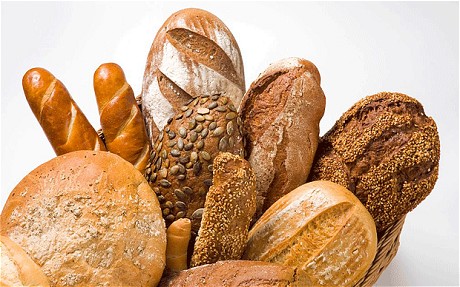
The best rice flour bread!

The best rice flour bread!

The end result was simply spectacular.  The loaf had an amazing crust, the dough was cooked through and the grainy nature I’ve come to fear in anything baked with rice flour was not overly apparent.  The smell of fresh bread baking has been missing from our house for a while and it’s fab to know it will be making a reappearance on a regular basis.  G and M had a warm piece of bread each, straight from the oven and covered with a generous lashing of their free-from spread.  Their verdict?  Delicious!


Today saw a small return to M’s depleted appetite, so hopefully he’s on the mend and will back to his bubbly self soon enough:

M

Me

Mike

Breakfast
  • Smoothie (1/2 banana, 5 strawberries, 200mls rice milk)
  •  Orange
Bowl of:

  • Free-from cornflakes
  • Rice milk
Lunch
  • Sakata rice crackers (4)
  • Free-from spread
  • Fruit string


  • Sakata rice crackers (6)
  • Cucumber
  • Celery
  • Peanut butter
  • Sliced pear


  •  Left-over chicken casserole and rice
Dinner
  • 4x sweet potato wedges
  • Pork belly slice (1/2)
  • Cucumber
  • Apple (1/3)


  •  Sweet potato wedges
  • Pork belly slices (2)
  • Courgettes
  • Mushrooms
  •   Sweet potato wedges
  • Pork belly slices (2)
  • Courgettes
  • Mushrooms
Snacks
  • Fruit buttons (blackcurrant)
  • Capri sun orange drink
  • Brazil & Sultana bar (1/2)
  • Rice bread (1 slice)
 

Quiet day

After the excitement of an early start to our awareness week at the end of last week and the unexpected challenge of a sickness bug for poor M on Friday night, we had something of a quieter day today.  Mike and I both have some dietary challenges to face in the week ahead and Mike’s started today with a business trip, which needed some very careful and canny purchasing of lunch whilst he was out on the road.  He was reasonably successful, though he found the choices extremely limited, especially given the further restrictions to M’s diet over the last year and the prices higher for the few items he could choose to eat.

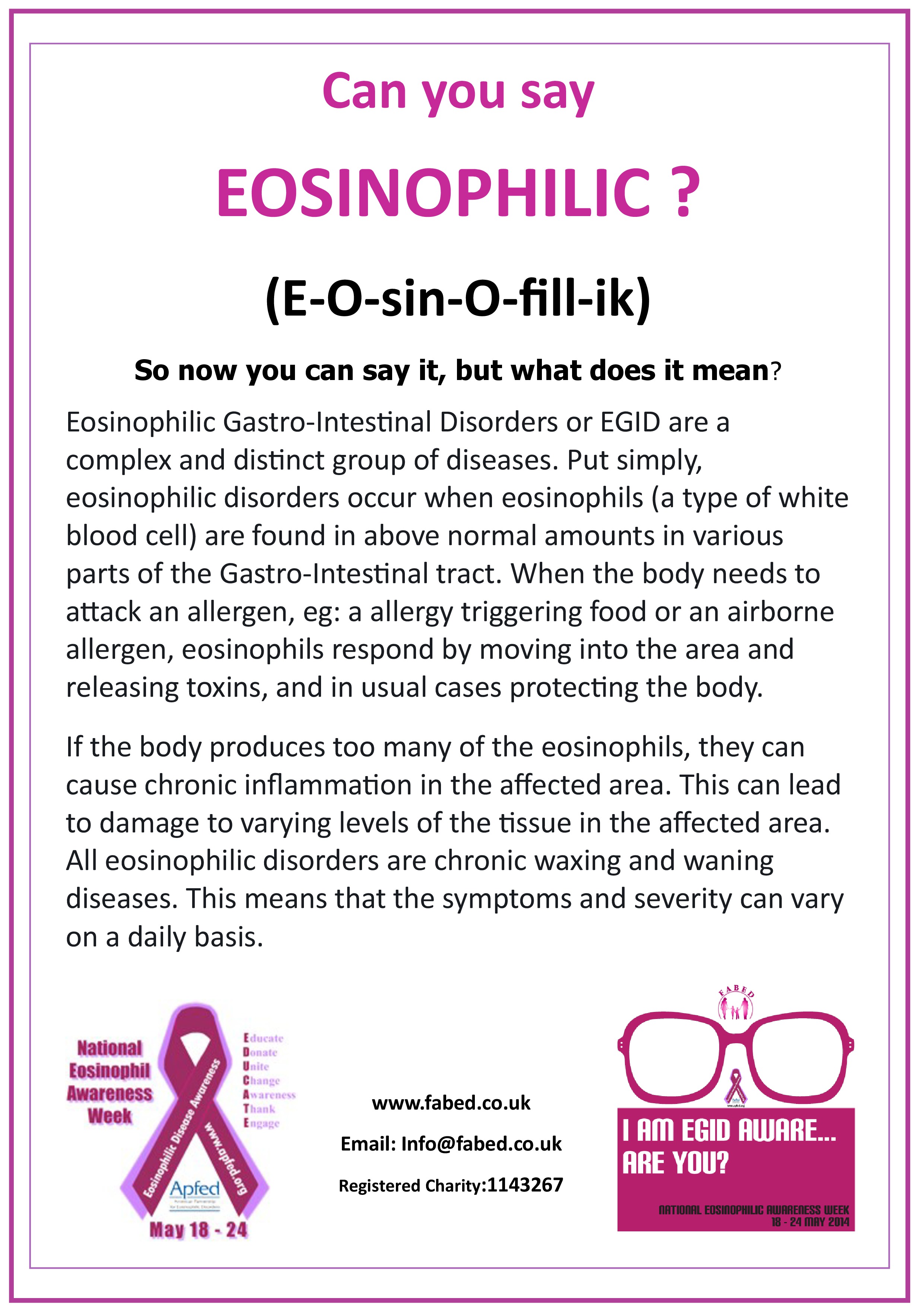
One of the things we’ve been encouraging M to do since his diagnosis, is to develop the confidence and skill to explain a little about his condition and share information about his food allergies with new acquaintances.  During this past week, I have been proud to discover that he has been doing this and doing a pretty good job of it, all things considered.  He has been able to give an explanation that has partly explained his food allergies and, in both cases, the Mums he’s been chatting to have been comfortable enough to approach me and ask more questions about EGID.  There is an alarming lack of knowledge and information concerning EGID, but this wonderful information flyer, produced by FABED, gives an easy-to-understand explanation of what is a complex condition:

NEAW_Flyer-page-0


And, just to finish today’s blog post, here’s our meals for the day.  As you can see, M is struggling with a poor appetite because of the bug, so getting anything into him is a win right now, however small it is:


M

Me

Mike

Breakfast
  • Banana (1/4)
  •  Sliced pear
Bowl of:

  • Free-from cornflakes
  • Rice milk
Lunch
  • Nakd Berry Delight date bar


  • “Chicken on a stick”
  • Eat Natural Brazil & Sultana bar (2)
  • Apple
  • Banana
Dinner
  • Orgran Mini Outback chocolate animals
  • Smoothie (1/2 banana, 4 strawberries, 100mls rice milk)


  • Rice
  • Home-made chicken casserole (onion, garlic, chicken, mushrooms, courgette, carrot, corn, tomato, coconut cream, chicken stock)
  • Rice
  • Home-made chicken casserole (onion, garlic, chicken, mushrooms, courgette, carrot, corn, tomato, coconut cream, chicken stock) 


Snacks
  • Fruit buttons (apple)
 
  •  Blueberry smoothie

An early start to Awareness week

local_radio_graphicNational Eosinophilic Awareness Week started today, but my bid to raise awareness of this rare condition in fact started on Friday afternoon.  Last year, Mike and I looked to raise awareness amongst our work colleagues, so my plans for this year obviously had to be bigger and better and I started by e-mailing the local press to see if anyone would be interested in running our story.  To my delight, late last Wednesday I was invited to appear on our local BBC radio station to talk about M, EGID and coping with the daily battles we have to face, including cooking for a child with multiple food allergies.  I accepted the offer and Friday afternoon saw me heading into the BBC building with a batch of freshly baked M-friendly cupcakes to share with the presenter and other guests.


10348778_10152049176741123_2166202480088495019_oThe cakes were well received, even by the security guards, who were keen to find out more about why I was bringing the cakes into the studio and enjoyed the M-friendly treats I left with them after the show. It was an amazing experience and I can’t thank our local radio enough for giving me the opportunity to get the message about EGID out into our community.  I was able to share, both on and off air, a little about the challenges those of us living with EGID have to deal with and the prognosis for M and children like him.

But, our Awareness week activities don’t stop there.  This time last year, I wrote about our decision to “eat like M” during the week:  one year on and we’re repeating the experience, although we have the added challenge of dropping raisins, raspberries and potatoes out of the diet too.  Actually, this isn’t as tough for me as it is for Mike – I’m not a big fan of raisins and can’t eat potatoes at all due to my own intolerance to them.  We have some more awareness-raising events planned for the week ahead, but for now, I’ll leave you with our meals for the day:

M

Me

Mike

Breakfast
  •  Sliced pear
Bowl of:

  • Free-from cornflakes
  • Free=from rice pops
  • Rice milk
Lunch
  • Roast chicken
  • Sweet potato wedges
  • Corn
  • Peas
  • Carrots
  • Roast parsnips
  • Really not dairy mayonnaise


  • Roast chicken
  • Sweet potato wedges
  • Corn
  • Peas
  • Carrots
  • Roast parsnips
  • Really not dairy garlic mayonnaise
Dinner
  • Rice bread toast (2)
  • Peanut butter
  • Orgran tinned spaghetti
  • Apple (1/2)
  • Cucumber


  • Corn tortilla chips
  • Home-made tomato salsa (Tinned tomatoes, onion, garlic, chilli flakes, chilli powder, olives, corn)
  • Home-made cucumber raita (coconut cream, chopped cucumber, chilli flakes)


  • Corn tortilla chips
  • Home-made tomato salsa (Tinned tomatoes, onion, garlic, chilli flakes, chilli powder, olives, corn)
  • Home-made cucumber raita (coconut cream, chopped cucumber, chilli flakes)


Snacks


  •  Dried apricots

Eosinophilic Awareness Week 18th-24th May 2014

This week I’m delighted to welcome Kate from The Recipe Resource as my guest blogger. Her blog was set up to support those catering for multiple food allergies, particularly in children and Kate is a fellow EGID Mum, who I’ve been privileged to meet through the fantastic FABED.  I was going to write a post to tell you all about Eosinophilic Awareness Week, but found Kate had already done an amazing job on her own blog and she kindly agreed to let me share it with you all:


18th-24th May 2014 is Eosinophilic Awareness Week.  Read about EGID here

Gastro research is drastically UNDER FUNDED.  It is not “glamorous” and rarely on the radar for celebrities and focus groups, and rarely attracts public interest unlike cardiac care and cancer research.  Gastro conditions are badly neglected in the UK when it comes to research funding allocation, but without research treatment and outcomes are not likely to improve much.

Approximately 1% of the total amount of medical research funding available in the UK can be accessed for Gastro research.  There are currently no listed projects specifically for Eosinophilic Disorders on the National Research database.  GOSH are running a Gastro Research Project that will include related conditions/problems.  Alarmingly, children with allergic gut conditions are reaching epidemic proportions according to GOSH.

No one knows why the UK has the highest incidence for Allergy.  I went to Westmnister to attend the All Party Group for Allergy in October 2013 and heard how in the 19th Century, a study into Hay Fever took two decades as it was so rare and there were insufficient people to include in the study.  Today it is incredibly common.  The UK tops the league table in the incidence of allergy in its population, with Australia second – which is interesting as their population obviously share a similar root.  Allergic gut conditions are becoming common and hugely problematic for NHS paediatric services and Eosinophilic Disease is a specific subset of this group.

FABED is the main UK charity supporting families with members (adult and children) who suffer from eosinophilic disease.

FABED

FABED are UK partners supporting the United States Eosinophilic Awareness Week.  This is coordinated by APFED.  Two years ago they made this video to promote awareness.

Read more about Eosinophilic Diseases here.

During Eosinophilic Awareness Week, do something to raise awareness.  Tell someone about EGID and the appalling lack of funding for gastrointestinal disorders in the UK.


This blog was first posted on May 9th 2014 at The Recipe Resource here

The Digestive Biscuit Challenge

After weeks of complicated bakes, this week brought about a new challenge, the humble digestive biscuit.  The reason behind our need for digestives was the upcoming Enrichment morning at school.  The previous 3 such mornings have been crafts, but this one, the last of the year, saw G and M preparing vegetable soup, bread rolls and a chocolate and biscuit dessert for their lunch. School had been great about making sure both children could fully participate in the activity and had emailed me the recipes, so that I could make any adjustments needed.

Courtesy of artisansbaking.co.in

Courtesy of artisansbaking.co.in

The vegetable soup contained a number of vegetables – butternut squash, carrots, broccoli, mushrooms – as well as potatoes, mustard, paprika and cheddar cheese.  I asked if they could exchange the potatoes for sweet potatoes, which M can eat and miss out the cheddar cheese completely.  The answer was a resounding yes and the result, according to M, was delicious, although he felt it would have been even better without the broccoli!  He enjoyed it so much that he’s keen to have a go at home for a family lunch one weekend.  I didn’t bother with the bread roll as I’ve yet to find a good, simple and tasty rice flour bread recipe and I simply sent it some slices of M’s bread to be toasted and eaten with their soup.

20140429_171226The bigger challenge was the dessert.  It was a relatively simple recipe and I could easily replace most of the ingredients with M-friendly ones.  However, digestive biscuits were more of a challenge.  Due to our current exclusion of potatoes from M’s diet, it is almost impossible to buy safe biscuits for M as potato flour is a commonly used replacement in gluten-free recipes. So. there was only one thing for it and I rolled up my sleeves, pulled out my trusty tablet and found a great recipe for gluten-free digestives.  I replaced the oats with millet flakes so that they were G-friendly too and quickly baked a batch.  I measured out enough for the school baking project and tried the leftovers on my 2 willing taste-testers.  Another instant hit and I have to admit that even I was impressed with how much like “normal” digestives they look, a bake I’m definitely proud to have made.

Even better, and just in time for enrichment morning,  the brand new allergen substitution sheets produced by the amazing Allergy Adventures fell into my inbox.  These simple and easy-to-follow sheets show easy substitutes, including quantities, for common allergens and give useful notes about the ingredients too.  We first discovered Allergy Adventures at last year’s Allergy and Freefrom show and have found them a brilliant source of information and tips for families dealing with food allergies.  If you’ve not visited Allergy Adventures before, I would highly recommend a look.  I printed the sheets out and handed them into school, not so much for this baking session, but rather as a reference for future planning when it comes to both G and M.

Enrichment morning was a great success.  Soup and toast was eaten and their chocolate/biscuit creation enjoyed.  There was even a little leftover to bring home to finish off at home, even if it looked a little nibbled when I took it back out of the box.  A great end to the week!

Not much was left, but it definitely tasted delicious!

Not much was left, but it definitely tasted delicious!

I

Allergy UK Annual Conference

20140428_150922To say that mornings and I do not get along is something of an understatement, and early mornings are the worst.  I am, without a shadow of a doubt, a genuine, bona fide, card-carrying night owl and so anyone who saw me out and about at 6.30am last Saturday, was probably left checking their watches and convinced that something extraordinary was going on. The occasion was Allergy UK‘s first annual conference, being held at St Thomas’ Hospital in London.  I first heard about the event at the start of this year and had been excited about the prospect of finding out more about allergies from the experts attending and presenting at the conference.  The day had been designed to address the needs of individuals and families dealing with allergies on a daily basis and consisted of speeches and workshops as well as open Q&A sessions held during the afternoon.

Professor Peter Howarth of Southampton General Hospital was the keynote speaker for the day.  He opened the conference with a fascinating insight into the on-going and future research that is currently being carried out in the area of allergies and allergic responses. He talked about the recently well-discussed research into peanut allergies, which is looking at whether it is possible to “switch off” the allergic response through regular exposure to peanuts in known sufferers, and whether this approach could be applied to other allergies too.

I was also fascinated to learn from Professor Howarth about the link that appears to exist between Vitamin D and the allergic response.  Studies carried out suggest that Vitamin D can help to reduce the allergic response, particularly in individuals suffering from asthma or urticaria and it is evident that much more research into this area could be extremely beneficial, although there is no funding available for this at the moment.  This is definitely an area I will be keeping an eye on to see if it could be of benefit to M in the future.

Mike and I then attended 2 afternoon sessions, the first of which was a child allergy workshop and proved invaluable, not least because Dr Jo Walsh, who ran the session, explained clearly and concisely the difference between intolerances, IgE allergies and non-IgE allergies.  Her excellent explanation simplified what is a complex and much-misunderstood area and would be an amazingly useful tool when trying to explain M’s food allergies to anyone who comes into contact with him.  She also touched briefly on how to manage the risks to an allergic child out of the home and brought to our attention the NICE guidelines drawn up in 2011, that cover the diagnosis of food allergies and intolerances in children.

The second workshop was run by Dr Helen Brough and was aimed at looking at dealing with allergies with teenagers.  Although this workshop promised a lot, I felt that it didn’t really deliver on our expectations.  The time allowed was just too limited to even begin to touch on what is a complex situation and certainly didn’t really offer any practical tips on how to deal with your teenager and their approach to life with their allergies.  She focussed a lot on the Adolescent allergy clinics they are beginning to introduce, but the time was spent discussing what the parents and teens in the room would like from such clinics, rather than on what is actually provided.

All in all, we were impressed with the day and would be keen to attend another one should Allergy UK decide to hold it again.  There was lots of information available on the day, but I would recommend that the workshop sessions be extended in length as 45 minutes was just not long enough to spend in discussion on such an involving subject.  I will be keeping my ear to the ground to see if Allergy UK run another conference next year and will let you know the minute I hear anything about it.


Easter biscuits and Simnel Cake

Courtesy of annapolisfork.com

Courtesy of annapolisfork.com

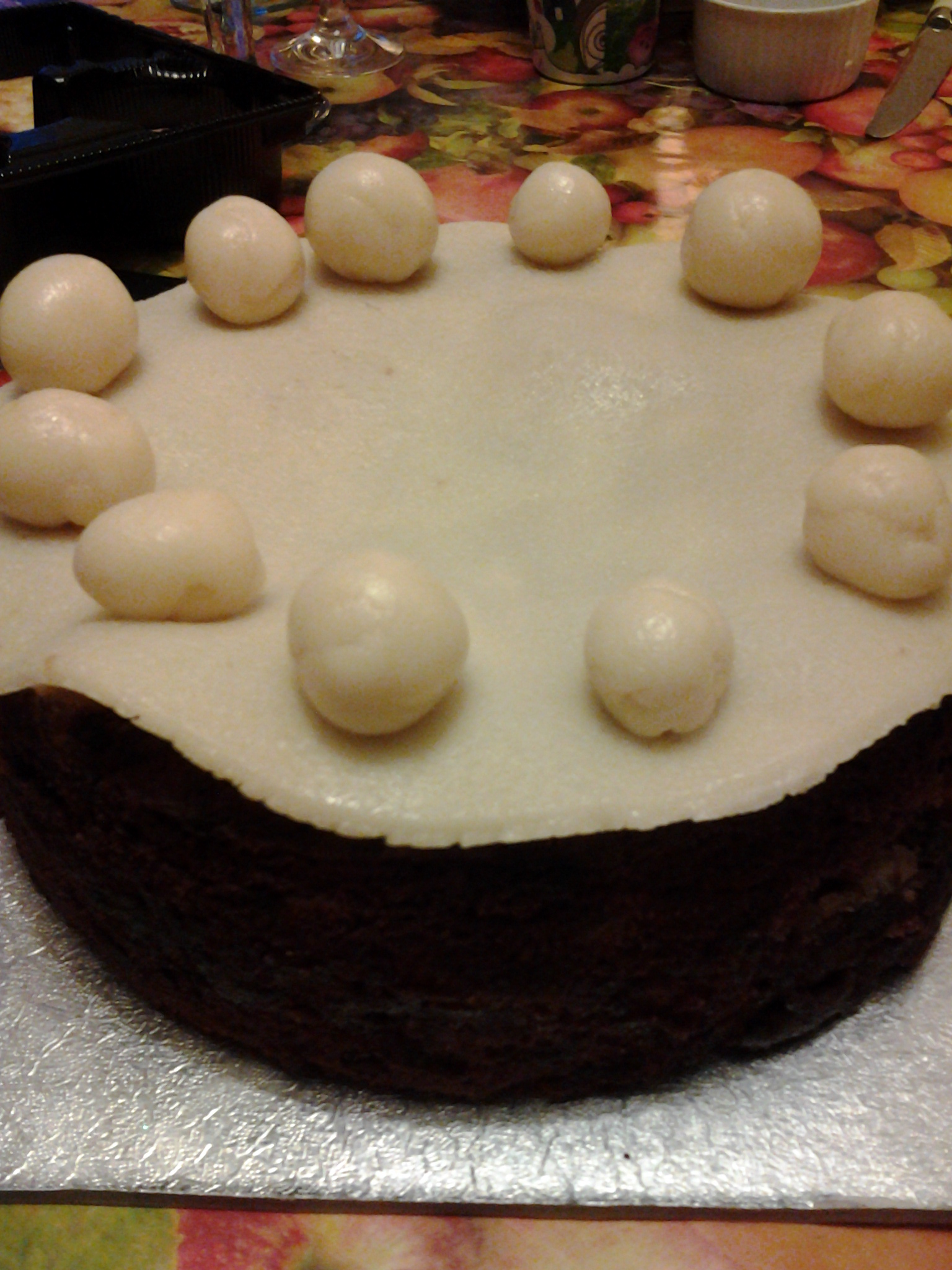
I’m not entirely sure what madcap idea took hold last week,  but I decided to spend part of Good Friday baking Easter biscuits and Simnel Cake for M and G to enjoy.  My experience of these 2 culinary delights is limited; I have had the odd Easter biscuit to eat in the past 30-odd years, but have to confess that I’ve never even nibbled at a slice of Simnel Cake.  What possessed me to try my hand at a cake that I couldn’t pick out of a blind taste test, I have no idea, but I was inspired to produce adequate alternatives and let M and G try some traditional treats.

I expected Simnel cake to be my biggest challenge and decided to start researching a relatively easy recipe to adapt for M.  To my surprise and absolute delight, my Google search uncovered this wonderful recipe for gluten-, dairy- and egg-free SImnel cake that was published in The Guardian newspaper on April 12th.  I don’t think I have ever seen a recipe that is so allergy-friendly in the mainstream media and I couldn’t wait to start baking.

Not bad for a first attempt!

Not bad for a first attempt!

I was thrilled with the end result and decided to decorate it in a manner that dates back to the Victorian era.  Traditionally, 11 balls of marzipan are rolled and used, with the story that these represent the 12 apostles minus Judas, though you can also use 12 marzipan balls for Jesus, the 12 apostles minus Judas.  In trying to understand the meaning behind this decoration, I discovered that Simnel cake was traditionally baked on the middle Sunday of Lent, which is also Mothering Sunday in the UK, and allows a relaxing of the 40-day fast typically followed during Lent.


First item ticked off the list and it was time to move on to the Easter biscuits.  Having grown up in the West Country, I decided to use another traditional recipe and use Cassia Oil to flavour these delicate biscuits, instead of the usual mix of cinnamon and mixed spice.  Thanks to the amazing blog, Alimentary Bites, I was presented with not just one recipe, but 2 to choose from.  I picked one at random, made a few minor adjustments to accommodate M’s dietary needs and whipped up a batch for the children to try.  There’s nothing to match the delicious smell of home-baking filling the house and G and M quickly gathered around the oven to make their claim as the biscuits emerged from the oven.

20140418_154823

All in all, a winning baking session and 2 more recipes to add to my M-friendly repetoire. Both biscuits and cake were delicious, scored full marks from my discerning duo and disappeared quickly over the Easter weekend.  Children and adults alike complimented me on the flavour of these goodies and I’m thrilled to have successfully navigated another festival with some wonderful and safe treats.

The Great Easter Egg Hunt

Easter is always a tricky time for those suffering from food allergies, but there are some great options out there if you know where to look.  The selection for those who are dairy-free has improved and increased over the past 5 years and several of the leading supermarket chains now stock some of these alongside their “normal” counterparts.  My findings and recommendations for future Easters (as it’s probably a little late for this year now!) include:

Choices Dairy Free Easter Egg With White Chocolate ButtonsChoices Dairy-Free White Chocolate Easter Egg
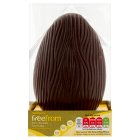


KinnertonKinnerton Dairy Free Easter Egg     


  • Dairy, wheat, gluten and egg-free
  • Price: £4.99
  • Available from:  Sainsburys; Freefromforkids.co.uk; Tesco; Morrisons


SainsburysSainsburys Freefrom Easter Egg

  • Dairy, wheat, gluten and egg-free
  • Price: £2.99
  • Available from:  Sainsburys


chococoChococo Dark Chocolate Eggs

  • Dairy, wheat, gluten and egg-free
  • Price: £9.50+
  • Available from:  John Lewis; Chococo
  • Also available as Ginger, Honeycombe

NB – these are not guaranteed dairy-free as they are produced in a factory that also handles dairy chocolate, but a good alternative if you’re able to manage the risk


As always when it comes to M, our challenge for Easter is a little trickier.  Not only do we have to seek out a dairy- and soya-free option, but, due to his hypersensitivity, we also have to avoid any chocolate alternative that contains soya lecithin.  This isn’t an easy find, but I have discovered these few that are suitable, fun and delicious too:


moo freeMoo Free Organic Dairy Free Easter Egg

  • Dairy, wheat, gluten, soya and egg-free
  • Price: £3.49 – £7.09
  • Available from:  Sainsburys; Freefromforkids.co.uk; Alternativestores.com; Goodnessdirect.co.uk
  • Also available in Bunnycomb or sold in sets with a soft toy


maoamMaoam Pinballs Eggsplosions

  • Dairy, wheat, gluten, soya and egg-free
  • Price: £2.49
  • Available from: Freefromforkids.co.uk


hariboHaribo

  • Dairy, wheat, gluten, soya and egg-free
  • Price: £4.00
  • Available from: Waitrose


In years past, we have also opted not to buy Easter Eggs of any description, instead choosing small gifts such as books, crafts and even gardening equipment one year.  Whatever your choice, I hope you find your “perfect” egg and enjoy a marvellous Easter!


Oh la la, the ultimate baking challenge

Courtesy of theguardian.com

Courtesy of theguardian.com

Two weeks ago, G and M came home from school bursting with details of their up and coming MFL Day – a day to experience more about the Modern Foreign Languages they both learn at school.  Not content with themed craft activities, dance lessons and extra language practice on the day itself, school naturally decided a food treat would be an ideal extra for the day too.  G and the rest of Years 5 and 6 would be baking and then tasting their efforts in school, whereas M and the others in Years 3 and 4 were simply going to enjoy eating a shop-bought version. The teachers couldn’t decide on an easy, Spanish treat, so the whole school would try a French delicacy instead.

Just when I thought baking couldn’t get any harder, I was presented with the ultimate baking challenge – chocolate croissants!

It was relatively easy to accommodate G’s dietary needs for the day as she is only wheat- and dairy-free.  G could participate in the French cookery lesson, where the children were using supermarket croissant dough and milk chocolate to create their masterpieces, but rather than eating her own creation, G would give hers to her teacher and instead enjoy one of the marvellous Genius gluten-free Pains au chocolat that I had tracked down in our local Tesco. We hadn’t tried these before, but G assures me that they were absolutely delicious and she can’t wait to enjoy them again.

croissants

M, naturally, was a completely different story.  School had agreed that I could provide a M-friendly chocolate bar as an alternative to the chocolate croissants the rest of his class would be enjoying, but I wanted to see if I could bake an equivalent for him to eat.  Had I realised just how much work was involved in making these French delicacies, I might not have even entertained the thought, but having researched a recipe, I thought I’d give it a go.  M has been finding things tough recently and I didn’t want him to feel even more different from his classmates.  I was determined to attempt an edible and reasonably delicious safe version of chocolate croissants.

The original recipe I found was a vegan one and needed a little tweaking to allow for M’s current wheat- and gluten-exclusions.  I replaced the plain flour with rice flour and took the decision to not add xanthum gum this time round.  The croissant dough that resulted was difficult to work and I found it nearly impossible to perform the “laminating” process that is required when making this specialised pastry,   20140328_082805 (1) I will no doubt attempt these again and will play around with my recipe to include xanthum gum to see if I can achieve the perfect consistency needed for this dough.  I added the chocolate, baked the croissants and was pleasantly surprised at just how authentic my first attempt looked.

However, whilst the end result was not quite as I had imagined it, M was delighted that I had managed to produce a reasonable croissant and declared it an immediate hit.  At the end of the day, I got the result I was after, one happy boy!