
 August didn’t just mean the school summer holidays for our household. but also some much-needed time away from work for both Mike and me. We started our 2 week stint with a drive to London and the Queen Elizabeth Olympic Park, home to the 2017 IAAF World Championships. We’ve long enjoyed watching the athletics on TV and ever since our visit to the 2012 London Olympics and Paralympics have been waiting for the next opportunity to watch the sports live arrive. The announcement that this year’s World Championships was to be held in London caused great excitement and last August I joined the thousands of others hoping to be successful in the ballot and be offered tickets to the events of their choice. We were lucky enough to get both sessions that we had chosen, which then dictated the rest of our plans for our summer break.
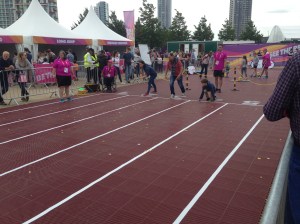
Our start perhaps didn’t quite go according to plan, with packing for our trip abroad, accidents on the motorway and a necessary, but lengthy detour hampering the relaxed beginning we were hoping for. However, we got there in the end and with time enough to park our car and unload our suitcases into our Stratford hotel room before heading to the park itself. We had allowed enough time to explore Hero village, which was filled with athletic-themed activities, events, sponsor displays and the obligatory souvenir stands and I’m so glad that we had. The children had great fun competing against each other in triathlon themed challenges, trying their hand on a wheelchair obstacle course and racing the 100m sprint against Mike. It could have been so easy to have bypassed the village completely in favour of just heading into the stadium itself, but we all enjoyed the opportunity to soak up some of the Championships spirit and really immerse ourselves in all the glory of the event.

The Friday evening session was fantastic and we had the most amazing seats, which allowed us to watch the women’s long jump final with ease. The evening was filled with a great mix of field and track events including the hurdles, the hammer throw and the women’s steeplechase final, a race neither G or M knew anything about and found fascinating to watch, especially when 1 competitor forgot to go through the water jump on the second circuit of the track. However, as brilliant as that evening was, the best was yet to come and I’d be hard pressed to say who was more excited to be a part of what would become a truly historic occasion.
Since international athletics superstar, Jamaica’s Usain Bolt announced his retirement from the track following the 2017 IAAF Championships, I had been keeping my fingers tightly crossed that he would complete as part of the 4x100m relay team during the competition. Our second session was on Saturday morning and was due to include several more of the decathlon events as well as the round 1 races for all of the relay races – men’s and women’s 4x100m and 4x400m. M in particular was incredibly excited that he might get see to his athletic hero race and the atmosphere was absolutely buzzing in the stadium that morning. It quickly become evident that we were witness to something spectacular and the whole family eagerly cheered the British teams who performed with enthusiasm and secured well-deserved places in all 4 finals. What wasn’t obvious at the time, but became sadly apparent at the finals that evening, was that we had seen not just some impressive races, but also what would turn out to be Bolt’s final track appearance as he sadly crashed out of the final with a heart-breaking injury that not only devastated him, but the watching world too. It was a great privilege to be to watch this inspirational man race and something we will all remember for a long time.


 Back in 2012, we spent hours glued to our TV screen as London hosted the Olympic and Paralympic games. We were lucky enough to be able to take the children to see some of the sports at both events and I reflected then on the
  Our first inspirational athlete is British swimmer, Siobhan-Marie O’Connor, who won
  Having read about Siobhan-Marie’s success whilst living with Ulcerative Colitis, I thought I had found a potential candidate for a role model for both M and G; and then I saw an article about the Italian fencer, Aldo Montano, who is living with a severe and potentially life-threatening
 7 years to diagnosis